

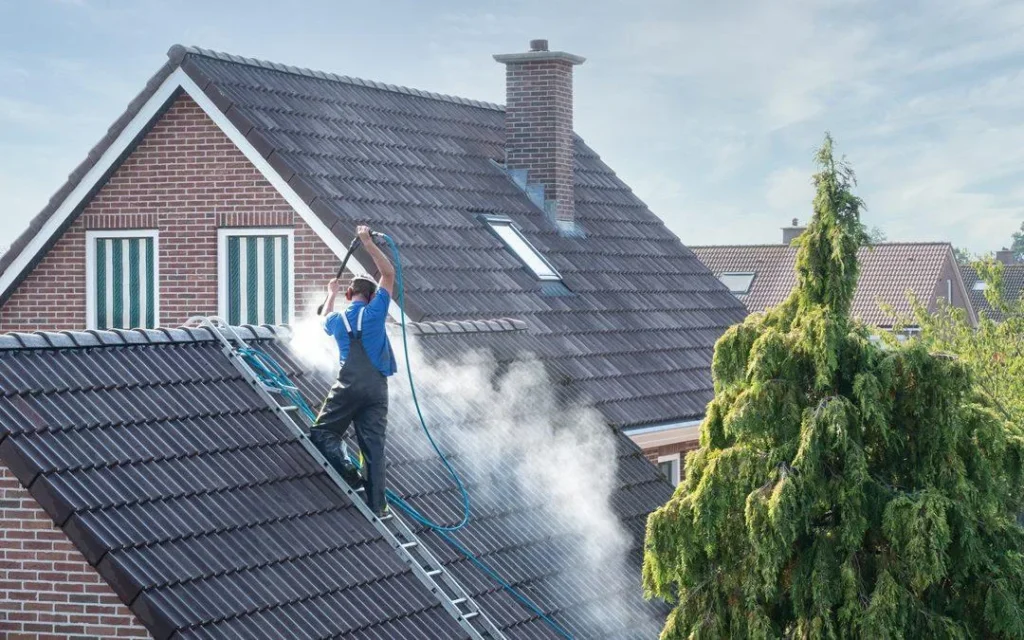
How Often Should You Clean Your Roof? Seasonal Maintenance Explained
Most homeowners only think about roof clean schedules once they spot a problem, like dark streaks or patches of moss. By that point, buildup has usually been sitting there for months, quietly working against your shingles. A little planning goes a long way here. Knowing when and why to clean your roof helps you catch issues early instead of paying for them later, and it keeps small maintenance tasks from turning into major repairs. What Happens When a Roof Goes Too Long Without Cleaning Dirt, pollen, and organic growth do not just sit harmlessly on top of your shingles. They hold moisture against the surface, and that trapped moisture is what causes real damage over time. Moss and algae are the biggest culprits. As they spread, they work their way under shingle edges and slowly break down the protective layer beneath. Left alone long enough, this can lead to soft spots, leaks, or wood rot in the decking below. There is also a cost side to this. A roof coated in algae reflects less sunlight and absorbs more heat, which can quietly push up your cooling bills during warmer months. Many shingle warranties also expect homeowners to address algae growth, so ignoring it can affect coverage down the line. Not sure if your roof has already started showing signs of buildup? Book a free roof inspection with Carolina Shine Exteriors and get a clear answer before small issues turn costly. What Actually Decides Your Roof Cleaning Schedule There is no single number that fits every home. Your ideal roof clean interval depends on a combination of material, climate, age, and what surrounds your house. The Type of Roofing Material You Have Asphalt shingles tend to need attention more often since they hold onto moisture and organic growth more easily. Metal roofs shed debris and resist algae better, so they usually stretch longer between cleanings. Tile and slate fall somewhere in between, depending on how porous the surface is and how much shade it gets. Your Local Weather and Humidity Warm, humid conditions are ideal for moss and algae, so homes in these regions often need cleaning more frequently than homes in drier climates. Heavy rainfall also plays a role, since it keeps the roof surface damp for longer stretches at a time, giving organic growth more chances to take hold. Trees, Shade, and Nearby Surroundings A roof shaded by tall trees stays damp longer after rain, which speeds up algae growth. Falling leaves, pollen, and branches add to the buildup too. Homes in open, sunny areas with little tree cover generally go longer between cleanings, since sunlight naturally discourages moss and algae. The Age and Pitch of Your Roof Older roofs tend to show buildup faster since the surface has had more time to weather and lose its natural resistance to growth. Roof pitch matters as well. Steeper slopes shed water and debris more efficiently, while flatter sections and valleys tend to collect moisture and organic material, which means they often need more frequent attention. A Season-by-Season Approach to Roof Care Breaking maintenance into seasons makes the whole process easier to stay on top of, rather than waiting until something looks obviously wrong. Spring Winter weather tends to leave its mark, so spring is a good time to check for moss, clear off leftover debris, and look for any damage that formed during colder months. It is also a natural point to plan the rest of the year’s maintenance and check gutters after months of rain or snow. Summer Dry weather makes summer one of the safest times to get up on the roof, with less risk of slick surfaces. This is a good window to clear buildup before fall debris starts collecting again, and to check that flashing and seals are holding up well. Fall Leaves and twigs pile up fast in valleys and around vents, creating spots where water can pool instead of draining. Clearing this out before winter helps prevent ice buildup and blocked drainage later on, and it reduces the amount of organic material that feeds moss growth over the colder months. Winter Deep cleaning usually waits until warmer weather returns, but winter is still worth a visual check after storms. Watch for ice forming in gutters or valleys, since that can signal drainage issues that need attention once things thaw. A quick look from the ground after heavy snow or rain can catch problems early. How to Tell the Difference Between Dirt, Algae, and Moss Not all roof buildup looks the same, and knowing what you are dealing with helps you judge how urgent the situation is. Dirt and dust usually appear as a dull, uneven color across the roof without any texture. Algae typically shows up as dark streaks, often on shaded, north-facing sections where moisture lingers longest. Moss looks different again. It forms raised, green or grey tufts, usually along shingle edges, in valleys, or near shaded dormers. Moss holds far more moisture than algae and tends to cause damage faster, since it physically lifts shingles as it grows. If you notice grit or granules collecting in your gutters after rain, that is often a sign the surface layer of your shingles is already breaking down. Signs Your Roof Cannot Wait Any Longer Some warning signs mean you should not wait for your next scheduled roof clean. Dark streaking is usually algae rather than plain dirt, and it tends to spread the longer it sits, especially after summer storms. Green or grey patches point to active moss growth that holds moisture directly against the shingles. Clogged gutters, granules collecting in downspouts, or visible sagging are also signs that maintenance is overdue. A dull, patchy roof color that never seems to fully dry out is another indicator that buildup has gone past a simple surface issue. Catching these early is almost always cheaper than waiting for them to turn into repairs. If you spotted any of these warning signs on your own roof,