Author name: 11keys Marketing

Roof Cleaning

How Often Should You Clean Your Roof? Seasonal Maintenance Explained

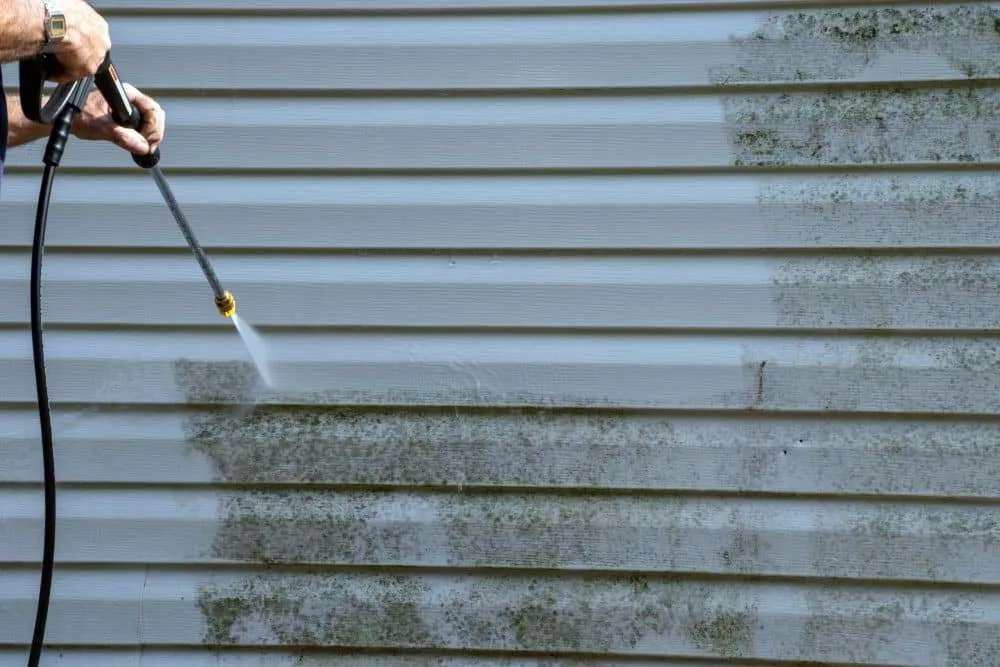
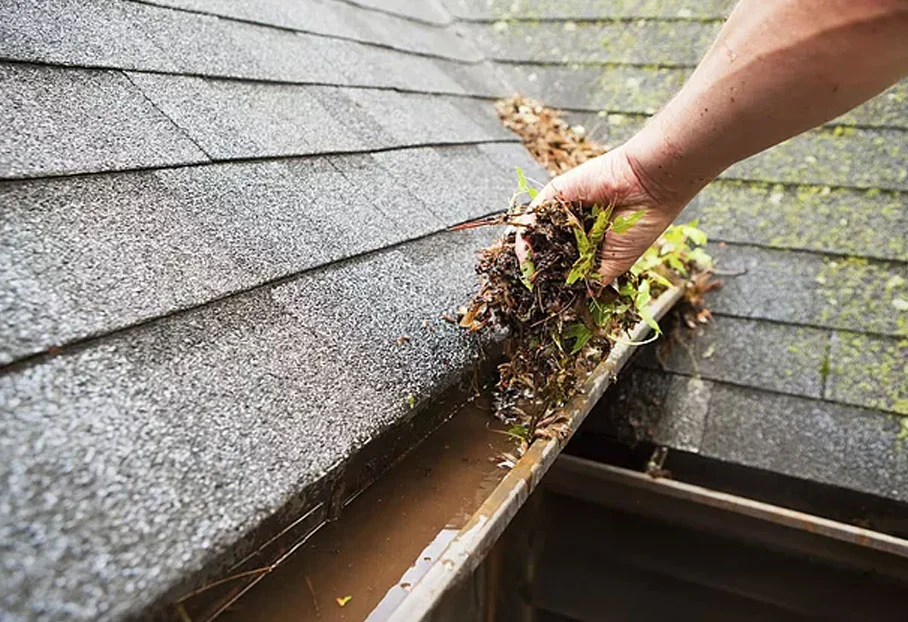
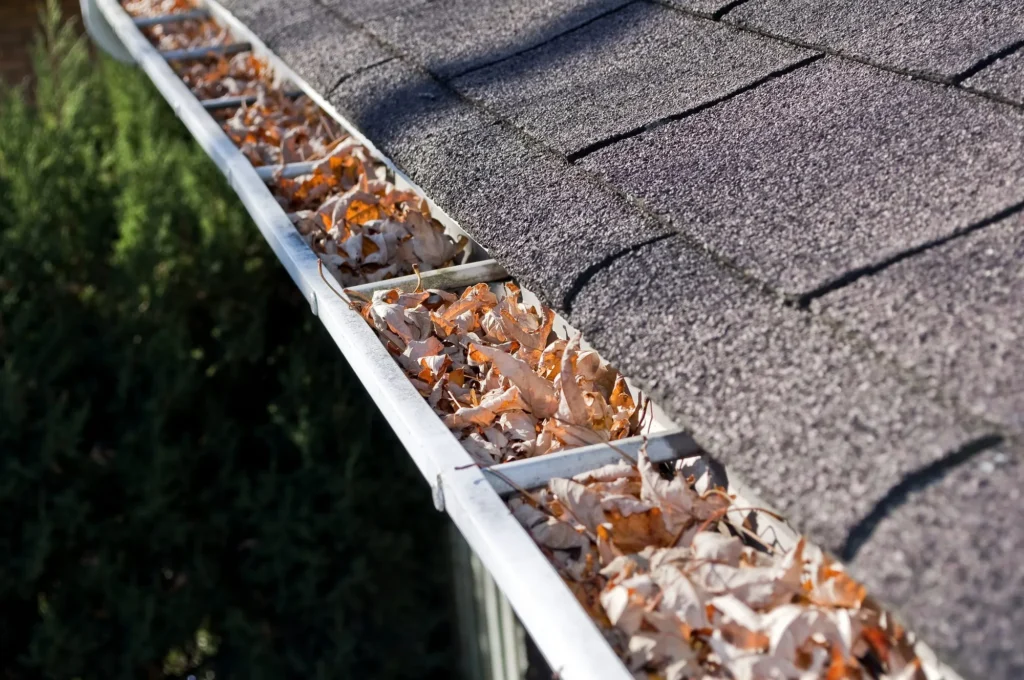
Most homeowners only think about roof clean schedules once they spot a problem, like dark streaks or patches of moss. By that point, buildup has usually been sitting there for months, quietly working against your shingles. A little planning goes a long way here. Knowing when and why to clean your roof helps you catch issues early instead of paying for them later, and it keeps small maintenance tasks from turning into major repairs. What Happens When a Roof Goes Too Long Without Cleaning Dirt, pollen, and organic growth do not just sit harmlessly on top of your shingles. They hold moisture against the surface, and that trapped moisture is what causes real damage over time. Moss and algae are the biggest culprits. As they spread, they work their way under shingle edges and slowly break down the protective layer beneath. Left alone long enough, this can lead to soft spots, leaks, or wood rot in the decking below. There is also a cost side to this. A roof coated in algae reflects less sunlight and absorbs more heat, which can quietly push up your cooling bills during warmer months. Many shingle warranties also expect homeowners to address algae growth, so ignoring it can affect coverage down the line. Not sure if your roof has already started showing signs of buildup? Book a free roof inspection with Carolina Shine Exteriors and get a clear answer before small issues turn costly. What Actually Decides Your Roof Cleaning Schedule There is no single number that fits every home. Your ideal roof clean interval depends on a combination of material, climate, age, and what surrounds your house. The Type of Roofing Material You Have Asphalt shingles tend to need attention more often since they hold onto moisture and organic growth more easily. Metal roofs shed debris and resist algae better, so they usually stretch longer between cleanings. Tile and slate fall somewhere in between, depending on how porous the surface is and how much shade it gets. Your Local Weather and Humidity Warm, humid conditions are ideal for moss and algae, so homes in these regions often need cleaning more frequently than homes in drier climates. Heavy rainfall also plays a role, since it keeps the roof surface damp for longer stretches at a time, giving organic growth more chances to take hold. Trees, Shade, and Nearby Surroundings A roof shaded by tall trees stays damp longer after rain, which speeds up algae growth. Falling leaves, pollen, and branches add to the buildup too. Homes in open, sunny areas with little tree cover generally go longer between cleanings, since sunlight naturally discourages moss and algae. The Age and Pitch of Your Roof Older roofs tend to show buildup faster since the surface has had more time to weather and lose its natural resistance to growth. Roof pitch matters as well. Steeper slopes shed water and debris more efficiently, while flatter sections and valleys tend to collect moisture and organic material, which means they often need more frequent attention. A Season-by-Season Approach to Roof Care Breaking maintenance into seasons makes the whole process easier to stay on top of, rather than waiting until something looks obviously wrong. Spring Winter weather tends to leave its mark, so spring is a good time to check for moss, clear off leftover debris, and look for any damage that formed during colder months. It is also a natural point to plan the rest of the year’s maintenance and check gutters after months of rain or snow. Summer Dry weather makes summer one of the safest times to get up on the roof, with less risk of slick surfaces. This is a good window to clear buildup before fall debris starts collecting again, and to check that flashing and seals are holding up well. Fall Leaves and twigs pile up fast in valleys and around vents, creating spots where water can pool instead of draining. Clearing this out before winter helps prevent ice buildup and blocked drainage later on, and it reduces the amount of organic material that feeds moss growth over the colder months. Winter Deep cleaning usually waits until warmer weather returns, but winter is still worth a visual check after storms. Watch for ice forming in gutters or valleys, since that can signal drainage issues that need attention once things thaw. A quick look from the ground after heavy snow or rain can catch problems early. How to Tell the Difference Between Dirt, Algae, and Moss Not all roof buildup looks the same, and knowing what you are dealing with helps you judge how urgent the situation is. Dirt and dust usually appear as a dull, uneven color across the roof without any texture. Algae typically shows up as dark streaks, often on shaded, north-facing sections where moisture lingers longest. Moss looks different again. It forms raised, green or grey tufts, usually along shingle edges, in valleys, or near shaded dormers. Moss holds far more moisture than algae and tends to cause damage faster, since it physically lifts shingles as it grows. If you notice grit or granules collecting in your gutters after rain, that is often a sign the surface layer of your shingles is already breaking down. Signs Your Roof Cannot Wait Any Longer Some warning signs mean you should not wait for your next scheduled roof clean. Dark streaking is usually algae rather than plain dirt, and it tends to spread the longer it sits, especially after summer storms. Green or grey patches point to active moss growth that holds moisture directly against the shingles. Clogged gutters, granules collecting in downspouts, or visible sagging are also signs that maintenance is overdue. A dull, patchy roof color that never seems to fully dry out is another indicator that buildup has gone past a simple surface issue. Catching these early is almost always cheaper than waiting for them to turn into repairs. If you spotted any of these warning signs on your own roof,

Uncategorized

5 Reasons Your Windows Still Look Dirty After Cleaning Them

You just spent an hour washing your windows, but they still look streaky, spotted, or foggy the moment the sun hits them. It is a common frustration for homeowners in Aberdeen, NC. Before you blame your own effort, it helps to understand what is actually causing that dirty look to stick around. Most streaking and cloudiness come down to a handful of avoidable mistakes, not a lack of scrubbing. Below are five reasons your glass still looks dull after cleaning, and what actually works to fix each one. Many homeowners eventually turn to professional window cleaning services once they see how much these small details matter. 1. Hard Water Spots and Mineral Deposits Sprinklers, rain, and hose water all carry dissolved minerals like calcium and magnesium. When that water dries on glass, it leaves behind a cloudy film that plain wiping cannot remove. This is why some windows look spotty again within days of a normal cleaning. Hard water spots need a mildly acidic solution or a dedicated glass polish to break down the mineral buildup. Regular dish soap will not touch them. If spots keep returning on the same panes, check nearby sprinkler heads and adjust their angle away from the glass. Homeowners in hard water areas often see spots return within a week, even after a thorough cleaning. Rinsing windows with plain water right after a storm can help, but it will not fully stop mineral buildup. A periodic deep clean using the right solution keeps spots from turning into permanent etched marks on the glass. 2. The Wrong Cleaning Solution Dish soap and household glass sprays often contain waxes or fragrances that leave a thin residue on the surface. That residue attracts dust, so your windows collect grime faster than usual and start looking dirty again within a week or two. A simple mix of water and a small amount of vinegar works better for most homes, applied with a clean microfiber cloth. Ammonia based cleaners should be avoided on tinted glass, since they can damage the film and cause discoloration over time. Newspaper, once a popular streak free trick, is not a reliable option either. Modern inks can smear on glass, and the paper itself often leaves fine fibers behind. Sticking with a purpose made glass cleaner or a vinegar and water mix gives more consistent results across every window in the house. 3. Old or Incorrect Tools A worn squeegee blade or a cotton rag full of lint will drag dirt across the glass instead of lifting it off. What looks like a clean window in the moment often shows smudges and fine scratches once the light changes and hits the surface differently. Swap paper towels and old rags for a rubber edged squeegee and a lint free cloth. Wipe the blade dry between passes so you are not reapplying the same dirty water to the next section of glass. A bucket of dirty water causes a similar problem to a worn tool. Dipping your cloth or squeegee back into water that already has grime in it just spreads that dirt to the next window. Changing the water partway through the job keeps every pane getting a genuinely clean pass. 4. Cleaning Windows in Direct Sunlight Washing windows on a hot, sunny afternoon feels productive, but the heat dries the cleaning solution before you can wipe it away. That fast drying is what causes the streaky patterns homeowners often blame on their own technique. Early morning or a cloudy day gives the solution time to loosen dirt before you squeegee it off. If you must clean in the sun, work in smaller sections so each area gets wiped down before it has a chance to dry. Wind can cause a similar issue on a clear day, since it speeds up drying just as much as heat does. On a breezy afternoon, work faster or clean shaded sections first, then move to the sunnier side of the house once the temperature drops later on. 5. Ignoring Frames, Tracks, and Screens Spotless glass next to a dusty frame or dirty screen does not stay spotless for long. Dirt from tracks and screens gets stirred up by wind and rain, then resettles right back on the pane you just finished cleaning. A full clean should include the frame, sill, and screen, not just the glass itself. Vacuuming tracks and wiping down screens before washing the window helps the results last considerably longer between cleanings. Screens in particular collect pollen, dust, and spider webs that are easy to overlook from a distance. A quick rinse or vacuum before you start on the glass keeps that debris from blowing back onto a window you already wiped down minutes earlier. How Professional Window Cleaning Services Solve These Problems Professional window cleaning services use purified or deionized water, which leaves no mineral residue behind once it dries. That single difference is why professionally cleaned windows often stay spot free far longer than a DIY job. Trained crews also check frames, tracks, and screens as part of the process, and they understand how weather and sun exposure affect drying time. That attention to detail is hard to match with a bottle of glass cleaner and a Saturday afternoon. Most companies also carry the right equipment for tall or hard to reach windows, which many homeowners do not have on hand. That means fewer streaks left behind simply because a window could not be reached properly with a standard ladder or pole. Get Streak-Free Windows With Carolina Shine Exteriors in Aberdeen, NC If your windows keep looking dirty no matter how often you clean them, it might be time to bring in a professional. Carolina Shine Exteriors offers Home cleaning services throughout Aberdeen, NC and the surrounding area, using purified water and proper technique for a true streak free finish, not just a temporary shine. Beyond glass cleaning, our team also handles gutter cleaning, pressure washing, soft washing, and screen cleaning, so your

soft wash pressure washing
Uncategorized

What Surfaces Should Not Be Pressure Washed?

Pressure washing can make a tired looking home feel new again. But not every surface on your property is built to handle that kind of force, and pressure washing the wrong material can leave you with cracked shingles, chipped paint, or a repair bill you didn’t plan for. Homeowners often assume that if a machine is powerful, it’s safe to use anywhere outside. That assumption causes more damage than the dirt ever did. Knowing where high pressure helps and where it hurts is the difference between a clean exterior and a costly mistake. This guide walks through the surfaces around your home that should be left alone during house pressure washing, and why professionals treat them differently. Why Pressure Matters More Than People Think A standard consumer pressure washer can produce enough force to strip paint, gouge wood, and force water behind seals that were never meant to get wet. That same force is useful on concrete but destructive on anything softer or already worn down. Age also plays a role here. A surface that could handle pressure washing ten years ago may not hold up the same way today. Weathering, sun exposure, and small cracks all lower a material’s tolerance for high-pressure water. Asphalt Shingle Roofs Roofs are one of the most common surfaces homeowners try to clean themselves, and one of the easiest to damage. Asphalt shingles are coated with small granules that protect against UV rays and moisture, and a direct blast can strip those granules right off. Once the granules are gone, the shingle underneath breaks down faster, shortening the life of your entire roof. Water can also get forced upward under the shingles, creating leaks that don’t show up until months later. Soft washing with low pressure and the right cleaning solution is the safer route for roof maintenance. Older or Soft Brick Brick looks tough, but not all brick is created equal. Older homes often have softer, more porous brick and weaker mortar joints that were never designed to withstand modern pressure washing equipment. High pressure can erode mortar between the bricks, leaving gaps that let moisture into the wall structure. Over time, that moisture leads to cracking, spalling, and interior damage that costs far more to fix than the original cleaning would have saved. Painted Wood Trim and Stucco Painted surfaces are especially vulnerable during pressure washing. The water jet can peel paint away in strips, exposing bare wood or stucco underneath to moisture and rot. Stucco is particularly sensitive because it’s a porous material. Water forced into stucco at high pressure can get trapped inside the wall cavity, leading to mold growth that isn’t visible from the outside. A gentler wash setting, or hand cleaning, protects both the finish and the material underneath. Windows and Window Seals Glass itself can sometimes tolerate a light rinse, but the seals and caulking around windows usually can’t. Pressure washing near windows can force water past the seal and into the wall cavity, creating hidden moisture problems that surface as mold or warped framing later. Older windows with worn caulking are especially at risk. Even a short burst of high-pressure water in the wrong spot can crack a pane or push a screen out of its frame. Outdoor Electrical Fixtures and Wiring This one is about safety as much as it is about damage. Outdoor light fixtures, electrical outlets, and exposed wiring should never be sprayed directly with a pressure washer. Water forced into an electrical component can cause a short circuit or create a shock hazard the next time someone touches the fixture. If a cleaning job involves an area near wiring or an electrical panel, that section should be avoided entirely or handled with extreme caution. Air Conditioning Units The thin metal fins on an AC unit’s condenser coil bend easily under high pressure. Bent fins reduce airflow, which makes the unit work harder and can shorten its lifespan. Dirt and debris on a condenser are usually better handled with a gentle rinse from a garden hose or a soft brush. If a unit needs a deeper clean, a technician familiar with HVAC equipment is the safer choice over a standard pressure washer. Delicate Landscaping and Mulch Beds It’s easy to forget about the plants and mulch sitting right next to the surface being cleaned. A stray blast of high-pressure water can strip mulch out of a bed, snap small plant stems, or wash away topsoil around root systems. Covering nearby landscaping or keeping the nozzle angled away from garden beds prevents this kind of accidental damage. It’s a small step that saves a lot of cleanup afterward. What Surfaces Actually Handle Pressure Washing Well Not everything on this list applies to your whole property. Concrete driveways, sidewalks, sealed brick, vinyl siding in good condition, and most composite decking can typically handle a properly calibrated pressure wash without issue. The key word is properly calibrated. Pressure, nozzle type, and distance from the surface all need to match the material being cleaned. This is where experience matters, since the same machine can either restore a surface or damage it depending on how it’s used. Get Your Home Cleaned the Right Way Every home has a mix of surfaces that need different care, and guessing wrong can turn a simple cleaning project into an expensive repair. Carolina Shine Exteriors has spent years learning exactly how much pressure each surface on a home in Aberdeen, NC can safely handle, from siding and driveways to trim and walkways. Our team shows up licensed and insured, with upfront pricing before any work begins, so you know what to expect from the start. We offer same-day service for homeowners who need their property looking its best without a long wait, and we work on all major brands of siding, roofing, and exterior materials without cutting corners. If you’re unsure whether your roof, brick, or trim can safely handle a pressure wash, don’t risk it on your own. Call Carolina

Uncategorized

Can Pressure Washing Damage Your House? What Homeowners Need to Know

A clean exterior can make an older home look new again, but the wrong approach can leave lasting damage behind. Pressure washing your house sounds simple until water finds its way somewhere it shouldn’t. Before you rent a machine or hire the cheapest crew you can find, it helps to know exactly what’s at stake. This guide breaks down how pressure washing works, where the real risks come from, and what signs tell you something went wrong. You’ll also learn how professionals protect siding, paint, and roofing while still getting a thorough clean. How Pressure Washing Actually Works on a Home’s Exterior Pressure washing uses a motor to force water through a narrow nozzle at high speed. Depending on the machine, the output can reach anywhere from 1,500 to 3,300 PSI. That force is strong enough to strip grime, algae, and old paint off almost any surface it touches. The problem is that most homes aren’t built to withstand that much force directly. Vinyl siding, wood trim, and painted surfaces are far softer than concrete or brick. Without the right nozzle, distance, and technique, that same water pressure meant to clean can just as easily tear something apart. The Real Risks Pressure Washing Can Pose to Your Home Exterior house cleaning isn’t risk-free, and the mistakes usually come down to pressure settings, distance, and technique. Knowing what can go wrong helps you avoid costly repairs down the line. Water Forced Behind Siding High pressure aimed at seams, corners, or gaps around windows can push water behind the siding itself. Once trapped there, moisture has nowhere to evaporate. Over time, this leads to mold growth, wood rot, and damage to insulation you won’t notice until it’s already spread. Cracked, Dented, or Loose Siding Panels Vinyl siding holds up well against moderate pressure, but a jet stream held too close can crack panels or knock them loose entirely. Aluminum siding is even more vulnerable, since a strong blast can leave visible dents that no amount of scrubbing will fix. Stripped Paint and Faded Surfaces Painted wood and trim are especially sensitive to concentrated water pressure. A washer held too close or angled wrong can strip paint layers right off the surface. This leaves bare wood exposed to weather, which speeds up warping and future peeling. Damage to Wood, Stucco, and Brick Mortar Wood siding and decking can splinter or gouge under excessive pressure, especially on older or weathered boards. Stucco can crack from concentrated force, and aging mortar between bricks can erode faster than the brick itself. These materials need a gentler touch than most people expect. Why Roofs and Pressure Washers Rarely Mix Asphalt shingles are one of the most misunderstood surfaces when it comes to exterior cleaning. The granules that protect shingles from UV rays can be blasted off by high pressure, shortening the roof’s lifespan considerably. Water can also travel upward under shingles when sprayed at the wrong angle, working its way into the roof deck below. This creates a moisture problem hidden from view until leaks or soft spots show up inside the attic. Roof cleaning almost always calls for a low-pressure approach instead. Signs Your House Was Pressure Washed Incorrectly Some damage shows up immediately, while other issues take weeks to appear. Watch for these warning signs after any exterior wash, whether you did it yourself or hired someone else. Peeling or bubbling paint that wasn’t there before often points to trapped moisture underneath. A musty smell near exterior walls can mean water got behind the siding and mold has started forming. Cracked, warped, or missing siding panels are the most obvious red flag, along with any new gaps around window and door frames. Soft Washing vs Pressure Washing: What’s the Difference Soft washing relies on lower water pressure combined with a specialized cleaning solution to lift dirt, algae, and mildew. Instead of blasting grime away with force, the solution breaks it down chemically, so the surface only needs a gentle rinse afterward. This method is generally the safer choice for siding, roofing, and painted surfaces that can’t handle high PSI. Pressure washing still has its place, though, particularly for concrete driveways, brick patios, and other hard, non-porous surfaces that can take the force without harm. How to Keep Your Home Safe During an Exterior Wash A few precautions make the difference between a clean house and a damaged one. Start by checking your siding for existing cracks, gaps, or loose panels before any water touches the surface, since these spots are the most likely entry points for trapped moisture. Keep the nozzle at a safe distance and use a wide spray pattern rather than a concentrated jet. Always spray in a downward motion, following the direction siding panels overlap, instead of spraying upward into seams. Cover outdoor outlets, light fixtures, and vents to keep water and electricity separated. A house wash should leave your exterior looking better, not hiding new problems behind the walls. When It’s Time to Call a Professional DIY pressure washing can work fine for a driveway or fence, but a full house wash involves more variables than most people expect. Siding material, paint condition, window seals, and roofing all factor into what pressure and technique are safe to use. A trained exterior cleaning technician knows how to read these variables before ever turning on the machine. They can identify which sections of your home call for soft washing, which areas need extra caution around seams and trim, and how to clean thoroughly without pushing water where it doesn’t belong. Protect Your Home’s Exterior the Right Way Pressure washing your house comes with real risks when it’s done without the right technique, but it doesn’t have to end in costly repairs. Knowing which surfaces call for lower pressure, where water tends to sneak in, and how to spot early warning signs puts you in a much better position to protect your home’s exterior long term. If your siding, roof, or driveway is

Uncategorized

Can Pressure Washing Damage Patio Furniture? What Every Homeowner Should Know

A pressure washer feels like the fastest way to knock pollen, grime, and mildew off your patio set. But that same force can strip finishes, crack wicker, or push water into cushions where it has no business being. Pressure washing patio furniture isn’t automatically risky, but doing it without the right approach can leave you with damage instead of a clean set. This guide breaks down what actually causes harm, which materials hold up, and how to clean patio furniture safely without guesswork. Why Homeowners Worry About Pressure Washing Patio Furniture Patio furniture sits outside all season, collecting dust, pollen, bird droppings, and mildew. A pressure washer seems like the obvious fix since it already handles siding and driveways. The concern is valid. Outdoor furniture is built from thinner materials than a house exterior, and a wand set to house-washing pressure can dent, gouge, or discolor a chair in seconds. What Happens When You Pressure Wash Outdoor Furniture the Wrong Way High PSI and Delicate Materials Don’t Mix Most residential pressure washers run between 1,300 and 2,800 PSI. That’s fine for concrete, but patio furniture rarely needs more than 500 to 800 PSI to come clean. Anything higher can chip paint, crack plastic resin, or splinter wood fibers. Wrong Nozzle, Wrong Result A narrow, zero-degree nozzle concentrates water into a tight, forceful stream. On furniture, that stream can etch lines into soft wood, peel protective coatings, or force water into joints and seams where mildew will grow later. Which Patio Furniture Materials Handle Pressure Washing Well Metal and Aluminum Frames Powder-coated metal and aluminum frames are among the most forgiving surfaces for a pressure washer for outdoor furniture. A wide-angle nozzle at low PSI clears dirt from crevices without harming the coating, as long as you keep the wand moving and don’t linger on one spot. Sealed Wood and Teak Sealed wood and teak tolerate light pressure washing when the sealant is intact. Going in with the grain, using a fan-tip nozzle, and staying at least 12 inches back keeps the wood fibers from lifting or splitting. Materials That Need a Gentler Approach Wicker and Rattan Wicker and rattan are woven from thin strands that trap water inside the weave. High pressure can snap individual strands or force moisture into the core, leading to mold that shows up weeks later. A soft brush and hose rinse work better here. Cushions and Fabric Coverings Cushions absorb water fast and dry slowly, which invites mildew inside the foam. Pressure washing cushions is one of the most common ways homeowners end up with a permanent mildew smell. Removable covers should come off and get hand washed or machine washed instead. How to Pressure Wash Patio Furniture Safely Safe pressure washing techniques start with matching PSI to the material, not the machine’s maximum setting. A wide fan nozzle, a distance of at least 12 to 18 inches, and a steady sweeping motion reduce the risk of gouging or streaking. Testing an inconspicuous spot first shows how the finish reacts before you commit to the whole piece. Rinsing off any soap fully afterward keeps residue from attracting more dirt once the furniture dries. Letting furniture air dry completely, especially in joints and seams, prevents trapped moisture from turning into mildew days later. Alternative Ways to Clean Outdoor Furniture Without a Pressure Washer Not every piece needs a pressure washer to look new again. A bucket of warm water with mild dish soap and a soft-bristle brush handles most everyday grime on wicker, fabric, and painted surfaces. For tougher mildew stains, a diluted vinegar solution or a dedicated outdoor furniture cleaner lifts buildup without the force that damages delicate weaves or seams. This approach works well as a regular patio furniture care routine between deeper cleans. Signs Your Patio Furniture Has Already Been Damaged Cracked or peeling paint, splintered wood grain, and bent or torn wicker strands are the clearest signs that pressure was too high or held too close. Cushions with a lingering musty smell usually mean water got trapped inside the foam. Catching these signs early gives you a better shot at restoring patio furniture before the damage spreads to the rest of the piece. Get Your Patio Furniture and Patio Professionally Cleaned in North Carolina Cleaning patio furniture with a pressure washer sounds simple until a wrong PSI setting turns a quick cleanup into a repair job. Carolina Shine Exteriors handles this the right way, matching pressure and technique to each material so your furniture comes out clean instead of cracked or faded. Our team also handles patio and deck pressure washing, driveway cleaning, house washing, and gutter cleaning, so your whole outdoor space gets the same careful attention. If your patio set is looking dull, stained, or covered in mildew, don’t risk it with a rental unit set to the wrong pressure. Call Carolina Shine Exteriors at +1(910) 994-6404 to schedule a safe, professional cleaning for your patio furniture and outdoor living space. We proudly serve homeowners across the North Carolina area who want their outdoor furniture looking its best without the guesswork.

pressure washing company
Pressure Washing Company

Pressure Washing Company Tips for Long-Lasting Property Protection

Your home or business exterior takes a beating all year long, from pollen in spring, humidity in summer, and grime that never seems to quit. That’s why choosing the right pressure washing company isn’t just about a quick clean. It’s about protecting your biggest investment for years to come. At Carolina Shine Exteriors, we’ve seen firsthand how the right cleaning schedule can add years to siding, concrete, and roofing. Whether you’re a business owner keeping up appearances or a homeowner staying ahead of mold and mildew, this guide breaks down what actually keeps a property protected for the long haul. Why the Right Pressure Washing Company Makes All the Difference Not every cleaning job is created equal. A rental machine from the hardware store can strip paint, crack old mortar, or push water behind siding if it’s used the wrong way. Experienced crews know which pressure levels and cleaning solutions work for brick, vinyl, wood, and stucco, and which ones to avoid entirely. That knowledge matters because a single bad wash can shave years off a surface’s lifespan. Professionals also carry insurance, so if something does go wrong, you’re not the one covering the repair bill. Beyond the equipment, a good crew inspects your property before they start, flagging soft spots, loose shingles, or cracked concrete that pressure alone won’t fix. That kind of attention is what separates a one-time clean from real, lasting protection. It also means fewer surprises down the road, since small issues get caught and mentioned before they turn into costly repairs. A crew that treats your property like its own tends to do a noticeably better job. Commercial Pressure Washing: Keeping Business Properties Looking Sharp First impressions matter for any storefront, office, or warehouse. Grimy sidewalks, streaked windows, and stained brick tell customers a lot before they ever walk through the door. Regular commercial pressure washing removes gum, oil stains, mildew, and built-up dirt from parking lots, entryways, and building facades without disrupting business hours. It’s also a practical maintenance move. Buildup left untreated can eat into asphalt sealant, degrade paint, and even create slip hazards near entrances. Scheduling routine cleanings rather than waiting until things look bad keeps liability risks low and helps commercial surfaces last longer between repaving or repainting projects. Many property managers set up quarterly or biannual visits so the exterior never has a chance to look neglected. That consistency matters for multi-tenant buildings, especially where a dirty entrance or grimy signage reflects on every business inside. Budgeting for regular cleaning is usually far cheaper than the alternative: emergency repairs or a full repaint after years of buildup. Residential Pressure Washing: Everyday Protection for Your Home Homeowners deal with a different set of challenges. Pollen season alone can leave a yellow film across driveways and siding, while shaded areas of the roof or fence often develop black streaks and algae. Professional residential pressure washing clears all of that away using techniques suited to each surface, from gentle soft washing on siding to stronger cleaning for concrete. Beyond curb appeal, this kind of regular maintenance protects the materials underneath. Algae and mold hold moisture against wood and siding, which speeds up rot and paint failure over time. A yearly wash, sometimes twice a year in humid climates, keeps those issues from taking hold and makes it far easier to spot small repairs before they turn into expensive ones. It’s also worth thinking about resale value. Buyers and appraisers notice a clean, well-kept exterior, and a consistent washing schedule is one of the most affordable ways to keep a home looking its best without a full renovation. Even a modest home tends to show better with clean siding, a fresh-looking driveway, and streak-free windows. Warning Signs Your Property Needs Attention Some problems are easy to spot; others creep up slowly. Black or green streaks on siding, dark patches on roof shingles, and a slick, slightly slippery feel on walkways are all signs that mold or algae have moved in. Driveways and patios that have gone from bright gray to dull and blotchy usually need more than a garden hose can offer, which is where professional concrete cleaning comes in. Musty smells near the foundation, peeling paint, or gutters that overflow with debris are less obvious but still worth a closer look. Left alone, these small issues tend to compound, and a stained driveway becomes a cracked one, and mildew on siding eventually works its way into the wood itself. Catching these signs early is one of the simplest ways to avoid a much bigger repair bill down the road. A quick walk around the property every few months, checking gutters, siding, and walkways, is usually enough to catch trouble before it spreads. How to Choose a Pressure Washing Company for the Long Haul Picking a crew you can count on year after year comes down to a few practical checks. Ask about insurance and licensing first, since that protects you if anything goes wrong on the job. Next, ask how they adjust pressure and cleaning solutions for different surfaces. A company that treats every job the same way isn’t paying enough attention to your property’s specific needs. Reviews and before-and-after photos are worth a look too, especially from homes or businesses similar to yours. A reliable pressure washing company will walk your property with you, explain what they’re seeing, and give you a clear estimate before any work starts. That kind of transparency, paired with eco-friendly cleaning solutions, is what turns a one-time service into a long-term maintenance partner. Ask, too, about scheduling flexibility and whether they offer recurring service plans. A company built for repeat visits tends to know your property better with each one. Conclusion Keeping a property looking sharp isn’t about a single deep clean; it’s about staying ahead of the buildup that quietly wears down siding, concrete, and roofing over time. Regular attention, the right techniques for each surface, and a crew that knows what to look for

Holiday Permanent Lighting

Holiday Permanent Lighting Benefits That Make Every Season Shine Beautifully

If your idea of holiday decorating still involves a ladder, a tangled bin of lights, and at least one frustrated afternoon in the cold, there’s a better way most Cameron homeowners haven’t discovered yet. Holiday permanent lighting has quickly become one of the most popular upgrades in the area, and it’s why Carolina Shine Exteriors fields calls every fall from homeowners who are done wrestling with string lights and ready for something that just works, season after season, without the annual scramble to get everything up before Thanksgiving. This guide covers what holiday permanent lighting actually offers beyond the obvious convenience, how thoughtful design changes the whole experience, and what separates a display that looks professional from one that looks like an afterthought. Why Holiday Permanent Lighting Beats Traditional String Lights The appeal starts with the obvious — no more climbing a ladder in December weather, no more replacing burnt-out bulbs mid-season, and no more untangling a bin of lights that seemed fine when you packed them away last January. But the real advantage goes further. A permanent system is professionally installed once and stays in place year-round, ready to switch on for the holidays and just as easily switched to a different color palette for a birthday, a game day, or a quiet evening at home the rest of the year. It turns a once-a-year chore into a feature you actually get to enjoy, rather than something you dread as soon as the temperature drops. How Outdoor Lighting Design Shapes the Final Look A thoughtful outdoor lighting design is what separates a display that looks intentional from one that looks like lights were simply strung wherever they’d fit. Good design starts with identifying which architectural features are worth highlighting, rooflines, columns, window trim, or a covered porch, and planning fixture placement around those details rather than around convenience. Spacing matters just as much as placement, since uneven gaps or clustered fixtures draw the eye in the wrong direction. A well-designed system reads as a natural extension of the home’s architecture, whether it’s glowing warm white on a random Tuesday or shifting to red and green for the holidays, without ever looking like an afterthought bolted onto the roofline. What Makes the Best Outdoor Permanent Lights Stand Out Not all lighting systems are built the same, and the difference shows up fast once the weather turns. The best outdoor permanent lights use fixtures rated for continuous outdoor exposure, so they hold up through humidity, cold snaps, and everything else a Carolina winter brings. They also rely on true color-changing LEDs rather than a fixed set of bulbs, giving homeowners the flexibility to switch palettes for any occasion without swapping hardware. And critically, quality systems don’t flicker or dim unevenly across zones, a common giveaway of a rushed installation using mismatched components or an undersized transformer trying to power too many fixtures at once. Why Holidays Are Just the Beginning While the holiday season is often what pushes homeowners to make the switch, it’s rarely the only reason they end up loving the system. Once installed, most homeowners find themselves using the lights far more often than they expected — warm white for regular evenings, school colors for game day, or a soft glow just to make the porch feel more inviting on an ordinary weeknight. What starts as a holiday decision often becomes a year-round habit, since the app-controlled flexibility makes it just as easy to use in July as it is in December. What to Expect During Installation A proper installation starts with a walkthrough of the property to map out zones and discuss which features the homeowner wants highlighted. From there, the installer runs weatherproof wiring designed to stay hidden, positions the transformer for easy access, and configures the app so homeowners can control everything from their phone. A good installer walks through the app and answers questions before leaving, rather than treating setup as an afterthought once the physical work is done. That last step matters more than it sounds, since a system nobody knows how to use ends up underused no matter how well it was installed, which defeats the purpose of upgrading in the first place. How to Choose the Right Company for the Job Not every company that installs holiday lighting understands the difference between a seasonal display and a permanent system built to last. It’s worth asking how the fixtures are rated for weather exposure, what warranty coverage is included, and whether the company handles both the design and the technical installation, since splitting those responsibilities often leads to a mismatch between vision and execution. A company that walks a property with you and explains their design reasoning before quoting a price is usually the safer choice over one that just wants to get fixtures up as quickly as possible and move on to the next job on their list. Conclusion Holiday permanent lighting isn’t just about skipping a few cold afternoons on a ladder — it’s a long-term upgrade that changes how a home looks and feels through every season, not just the holidays. From thoughtful outdoor lighting design to fixtures built to last through Carolina weather, the details are what turn a good idea into a display homeowners actually love using year-round, long after the last string of holiday lights would have come down. When you’re ready to make your home shine beautifully in every season, Carolina Shine Exteriors is here to help bring that vision to life. Frequently Asked Questions How is holiday permanent lighting different from putting up string lights every year? Permanent lighting is professionally installed once and stays in place year-round, controlled through an app instead of being hung and taken down each holiday season. What role does outdoor lighting design play in the final result? Design determines where fixtures are placed and how evenly spaced they are, which is the difference between a display that looks intentional and one that looks randomly strung up. Can

Pressure Washing Near Me

Pressure Washing Near Me for a Cleaner Home and Lasting Curb Appeal

There’s a specific moment every homeowner has: you pull into the driveway, glance up at the siding, and notice just how much grime, mildew, and green streaking have built up since the last good cleaning. That’s usually when people start searching for pressure washing near me, and for good reason. A dirty exterior doesn’t just look tired; it can trap moisture against your siding and shorten the life of the very surfaces it’s supposed to protect. Carolina Shine Exteriors sees this all the time in Cameron and the surrounding areas, and this guide covers what to expect from professional pressure washing and how to find a company that actually does it right. Whether it’s your siding, driveway, roof, or deck that needs attention, there’s more to a good pressure washing job than just pointing a hose at the problem. Let’s break down what matters. What Does Pressure Washing Near Me Actually Involve? Professional pressure washing uses high-powered water spray, sometimes paired with cleaning detergents, to remove dirt, algae, mold, mildew, and grime from exterior surfaces. Different surfaces call for different pressure levels and techniques: concrete driveways can handle strong, direct pressure, while siding, roofing, and painted wood typically need a gentler soft washing approach that relies more on cleaning solution than raw force. A pressure washing near me search usually turns up a mix of results, from large national franchises to small local operators, and the quality gap between them can be significant. Local knowledge of the climate, common algae and mold types in the area, and which surfaces need extra care tends to produce better, longer-lasting results than a generic, one-size-fits-all approach. Why Regular Cleaning Protects Your Home’s Value Dirt and grime on your home’s exterior aren’t just a cosmetic issue. Algae and mold that sit on siding for extended periods can work their way into small cracks and seams, trapping moisture that eventually leads to rot or material breakdown underneath. On roofs, the dark streaking you often see is actually a type of algae that feeds on limestone in shingles, gradually shortening their lifespan if left untreated. Regular pressure washing catches these problems early, before they turn into costly repairs. It also plays a real role in curb appeal and resale value; a clean, well-maintained exterior is one of the first things potential buyers or appraisers notice, and it signals that the rest of the property has probably been cared for just as well. There’s also a simpler, more immediate benefit: it just feels good to come home to a house that looks cared for. A clean exterior tends to make the whole property feel newer and better maintained, even if nothing else has changed. Finding Reliable House Pressure Washing Near Me When you’re comparing options for house pressure washing near me, a few details separate the professionals from a weekend operation with a rental pressure washer. Ask what equipment they use and whether they adjust pressure and technique based on your specific siding material. Vinyl, wood, brick, and stucco all respond differently, and using the wrong approach can cause real damage. It’s also worth asking about the cleaning solutions used, since biodegradable, properly diluted products protect your landscaping while still delivering a deep clean. A company that’s upfront about its process and happy to answer these questions is usually one worth hiring. Pricing transparency matters here, too. A reputable company should be able to walk you through what factors into the quote, whether that’s square footage, the number of surfaces being treated, or the level of buildup involved, rather than leaving you guessing until the invoice arrives. What Sets Quality House Washers Near Me Apart Not all house washers near me are equally equipped to handle every job. Some companies specialize almost entirely in driveways and concrete, while others have built their reputation specifically around house and roof washing, which requires a more delicate touch and a solid understanding of soft washing techniques. Experience with your specific area matters too. A company that’s been cleaning homes in your climate for years will know how quickly algae and mildew return, what time of year works best for scheduling, and how to handle the specific mix of humidity and tree coverage common to the region. That local expertise often shows up in results that simply last longer. What to Expect on Cleaning Day A typical appointment starts with an inspection of the surfaces being treated, followed by pre-treatment with cleaning solutions on areas with heavier buildup. From there, the crew works through each surface methodically, whether that’s concrete cleaning for driveways and sidewalks or a lower-pressure soft wash for siding and roofing. Most residential jobs wrap up in a single visit, and a good crew will walk the property with you afterward to point out anything worth noting, like stains that needed extra treatment or areas that might benefit from a follow-up visit down the road. Weather plays a role in scheduling, too. Most companies avoid pressure washing right before rain is expected, since cleaning solutions need time to work before they get diluted, and they’ll also account for temperature to make sure surfaces dry properly afterward. Conclusion Keeping your home’s exterior clean is about more than appearances; it protects the materials underneath from moisture damage, extends the life of your roof and siding, and keeps your property looking its best year-round. Finding the right team for pressure washing near me comes down to experience, the right equipment for your specific surfaces, and a process that actually gets results without cutting corners. Carolina Shine Exteriors has built its reputation in Cameron and the surrounding area by getting these details right, and a clean, well-maintained exterior is a lot easier to keep that way once it’s done the first time properly. Frequently Asked Questions How often should I schedule pressure washing near me? Most homes benefit from a professional cleaning once a year, though homes in shaded or humid areas prone to algae growth may need it more frequently.

permanent outdoor lighting
Permanent Outdoor Lighting

Permanent Outdoor Lighting for Beautiful, Safe, and Year-Round Outdoor Spaces

Stringing up lights every holiday season and taking them down a few weeks later gets old fast, especially once you’re standing on a ladder in the cold for the third year in a row. Permanent outdoor lighting has become the go-to solution for homeowners who want their property to look its best every night of the year, without the seasonal hassle. Carolina Shine Exteriors has been helping homeowners throughout Cameron and Central North Carolina add this kind of year-round curb appeal, and the technology behind it has come a long way from the string lights of the past. In this guide, we’ll cover how permanent lighting systems work, what makes low-voltage options the smarter choice, and what to expect from a professional installation. What Makes Permanent Outdoor Lighting Different Unlike traditional holiday lights that get hung and removed every season, permanent outdoor lighting is installed once and designed to stay in place year-round. The fixtures are built to blend seamlessly into your roofline, eaves, or landscaping during the day, becoming completely invisible until they’re switched on at night. This discreet design is a major selling point for homeowners who want the benefit of dramatic lighting without visible hardware cluttering their home’s exterior during daylight hours. Combined with app-based controls, most systems let you switch colors and patterns for any occasion, birthdays, holidays, or just a quiet evening at home, all from your phone. Understanding Outdoor Permanent Lights and How They’re Installed Outdoor permanent lights typically run along the roofline, soffits, or architectural features of a home, secured with mounting channels designed to withstand weather exposure for years. The installation process involves careful measurement and planning to ensure even spacing and consistent brightness across the entire display. A quality installation also accounts for how the wiring is routed and concealed, since exposed wiring is both a safety hazard and an eyesore. Professional installers route cables discreetly, often tucking them behind trim or fascia boards so the entire system looks clean and intentional rather than tacked on as an afterthought. Why Low-Voltage Outdoor Lighting Is the Smarter Choice Low-voltage outdoor lighting has become the industry standard for good reason. Operating at a fraction of the electrical output of standard household wiring, these systems are significantly safer to install and maintain, particularly in areas exposed to rain, humidity, or standing water. Beyond safety, low-voltage LED systems use far less energy than traditional lighting while still producing bright, vibrant illumination. Homeowners typically see minimal impact on their electric bill even with an extensive lighting display running nightly, making it a practical long-term investment rather than a costly indulgence. What to Expect From Landscape Lighting Installation Day Landscape lighting installation typically starts with a walkthrough of the property to identify architectural features worth highlighting and discuss any specific goals, whether that’s enhanced security, better nighttime visibility along walkways, or simply a striking visual display. From there, the crew maps out fixture placement before any physical installation begins. Most residential installations are completed in a single day, depending on the size of the property and the complexity of the design. Once installed, the system is tested thoroughly to confirm even coverage and correct color calibration before the crew wraps up the job. Maintaining Your System for Long-Term Performance One of the biggest advantages of a professionally installed system is how little upkeep it requires afterward. Occasional cleaning to remove dust or debris from fixtures keeps brightness consistent, and most quality LED components are rated to last for years of nightly use without needing replacement. If a fixture does malfunction, a well-installed system makes troubleshooting straightforward since components are typically modular rather than wired in a single continuous strand. This means a single issue rarely affects the entire display, and repairs can usually be handled quickly without disrupting the rest of the system. Bringing Your Property to Life Every Night of the Year A well-designed permanent lighting system does more than boost curb appeal after sunset; it adds a layer of security, creates a warm and welcoming atmosphere, and eliminates the yearly hassle of hanging and removing seasonal lights. Whether you’re highlighting architectural details or just want your home to stand out on the street, the right installation makes all the difference in how the final result looks and performs. Carolina Shine Exteriors brings that same attention to detail to every lighting project across Cameron and the surrounding communities. If you’re ready to see what year-round lighting could look like on your own home, it’s worth scheduling a walkthrough before committing to any DIY string light setup. Frequently Asked Questions How long does permanent outdoor lighting typically last? Quality LED components are generally rated for tens of thousands of hours of use, meaning most systems perform reliably for many years with minimal maintenance. Are outdoor permanent lights visible during the day? A well-designed installation keeps fixtures discreet and low-profile, so they blend into your home’s architecture during daylight and only become noticeable once illuminated at night. Why is low-voltage outdoor lighting considered safer than standard systems? Low-voltage systems operate at a much lower electrical output, reducing the risk of shock or fire hazards, especially in areas exposed to moisture or weather. How long does landscape lighting installation usually take? Most residential installations are completed in a single day, though larger or more complex properties may require additional time to finish properly. Can I control the colors and patterns of my permanent lighting system? Yes, most modern systems include app-based controls that let you adjust colors, patterns, and schedules for any holiday, event, or personal preference. Does permanent lighting increase my electric bill significantly? Not typically, low-voltage LED systems are energy-efficient enough that most homeowners see only a minimal impact on their monthly electric costs.

soft wash pressure washing
Soft Wash Pressure Washing

Soft Wash Pressure Washing: The Smart Way to Protect and Beautify Your Home

Your home’s exterior takes a beating year-round. Between humidity, pollen, mold spores, algae, and the general grime that settles on every surface, it doesn’t take long for a house to go from sharp-looking to dingy. A lot of homeowners assume that means blasting everything with a pressure washer, but that approach can do more harm than good. Soft wash pressure washing is the method that actually gets the job done without the risk of damage. At Carolina Shine Exteriors, we see the difference it makes on homes every single week. So what exactly is it, why does it work better than traditional high-pressure methods, and when should you consider calling in professionals? Let’s walk through it. What Is Soft Wash Pressure Washing? Soft wash pressure washing combines low water pressure with specially formulated cleaning solutions to remove dirt, algae, mold, mildew, and biological growth from exterior surfaces. Instead of relying on brute force to strip away grime, it uses biodegradable detergents that break down contaminants at the source, killing them rather than just pushing them around. The water pressure used in soft washing typically runs between 100 and 500 PSI, compared to the 1,500 to 3,000+ PSI of a standard pressure washer. That lower pressure means no cracked siding, no stripped paint, no damaged mortar, and no blown-out window seals. The cleaning solution does the heavy lifting, and water rinses the surface clean. This method is particularly effective on surfaces that high-pressure water would damage, such as painted wood, stucco, EIFS (synthetic stucco), vinyl siding, and asphalt shingles. For these materials, soft washing services aren’t just preferable; they’re the only responsible approach. Why High-Pressure Washing Isn’t Always the Answer It’s easy to assume that more pressure equals a deeper clean. In reality, high-pressure washing on the wrong surfaces can drive water behind siding, strip protective coatings, loosen roof granules, and accelerate wear on surfaces that were fine before you started. Algae and mold are also biological problems, not just surface stains. Blasting them with high pressure removes the visible growth but leaves behind the roots and spores. Within weeks, you’ll notice the same dark streaks and green patches returning. Soft wash pressure washing uses solutions that kill the organism entirely, so the clean lasts significantly longer, often two to three times as long as a traditional pressure wash. For roofs, especially, high-pressure cleaning is actively discouraged by most roofing manufacturers. Many asphalt shingle warranties are voided by power washing. Professional roof cleaning done with the soft wash method is both safer and more effective for eliminating algae and moss without shortening the life of your shingles. What Surfaces Benefit Most from Soft Washing? Soft wash pressure washing works across a wide range of exterior surfaces. The most common applications include: Siding: Vinyl, wood, fiber cement, and stucco all respond well to soft washing. The low pressure won’t force water into joints or lift paint, and the cleaning solution removes algae and oxidation that builds up over time. Roofs: Algae (specifically Gloeocapsa magma, the organism behind those black streaks) thrives in North Carolina’s humid climate. Soft washing eliminates it safely without voiding warranties or knocking off granules. Decks and fences: Wood surfaces benefit from a gentle clean before sealing or staining. Deck and fence cleaning done correctly preserves the wood grain and prepares the surface for treatment rather than damaging it. Driveways and walkways: Concrete and pavers can handle a bit more pressure, but soft washing still helps when heavy biological growth is involved, since the detergent kills moss and mildew at the root. Gutters: Black streaking on gutters (caused by oxidation and biological growth) responds well to soft washing, cleaning the surface without bending or denting the aluminum. The Benefits of Residential Soft Washing Residential soft washing isn’t just about aesthetics, though a freshly cleaned exterior makes a real difference in curb appeal. The practical benefits go deeper: It extends the life of your surfaces: Algae and mold don’t just look bad; they eat into surfaces over time. Left unchecked, biological growth can shorten the lifespan of roofing, siding, and wood. Regular soft washing removes these threats before they cause lasting damage. It protects your investment: Your home is likely the largest asset you own. Routine exterior cleaning preserves its value and prevents the kind of deterioration that leads to costly repairs or replacements down the road. It keeps your family healthier: Mold and mildew on exterior surfaces can work their way indoors through ventilation gaps and windows. Removing them from the outside reduces indoor air quality issues, a benefit most homeowners don’t immediately think about. It’s environmentally responsible: The biodegradable detergents used in professional soft washing company applications are formulated to break down safely, posing minimal risk to landscaping, pets, and surrounding waterways when applied correctly. How Often Should You Schedule Soft Washing? For most homes in North Carolina, once a year is a solid baseline. The humid climate, pine trees, and seasonal pollen create ideal conditions for algae and mold to thrive, which means exterior surfaces tend to build up faster here than in drier climates. That said, a few factors should influence your schedule: For a full picture of what’s involved in maintaining your home’s exterior throughout the year, the exterior house washing guide covers the seasonal considerations specific to this region in detail. If you’ve had your home washed before and it returned to looking dirty faster than expected, that’s usually a sign that high-pressure methods were used. Switching to a proper soft wash approach makes a noticeable difference in how long results hold. What to Look for in a Soft Washing Company Not every exterior cleaning company uses the same methods or takes the same care with your property. When evaluating a soft washing company, a few things are worth checking: Do they use proper soft wash equipment? True soft washing uses dedicated low-pressure systems, not just a pressure washer with the pressure dialed down. Ask specifically about their equipment and process. Are their

Scroll to Top