Green stuff growing on house siding usually shows up first on the shaded north side, then spreads across the wall. Many Fayetteville homeowners ignore it for a season or two. This guide explains why green algae on house siding forms, how to clean it safely, and what keeps it from returning.
At Carolina Shine Exteriors, we see this problem on homes across Fayetteville, NC every year. The fix is simple when you catch it early and use the right method. Left alone, algae holds moisture against the wall, stains the finish, and makes later cleaning harder. Here is what you need to know first.
What Causes Green Algae on Siding?
Algae are tiny living organisms that travel as airborne spores. They land on siding and stay put when conditions are right. Moisture is the main trigger. Dew, rain, sprinkler overspray, and slow-drying walls give spores the water they need to multiply into the visible green film you see on the surface.
Shade slows evaporation, which is why north-facing walls and areas under trees collect growth first. Fayetteville’s humid summers and mild winters add to the problem, since the climate rarely stays dry or cold long enough to stop algae. Dirt, pollen, and dust on the siding also act as food for the colonies.
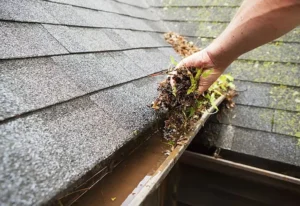
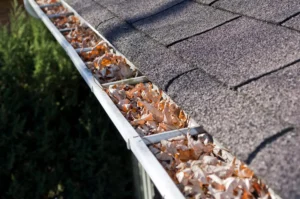
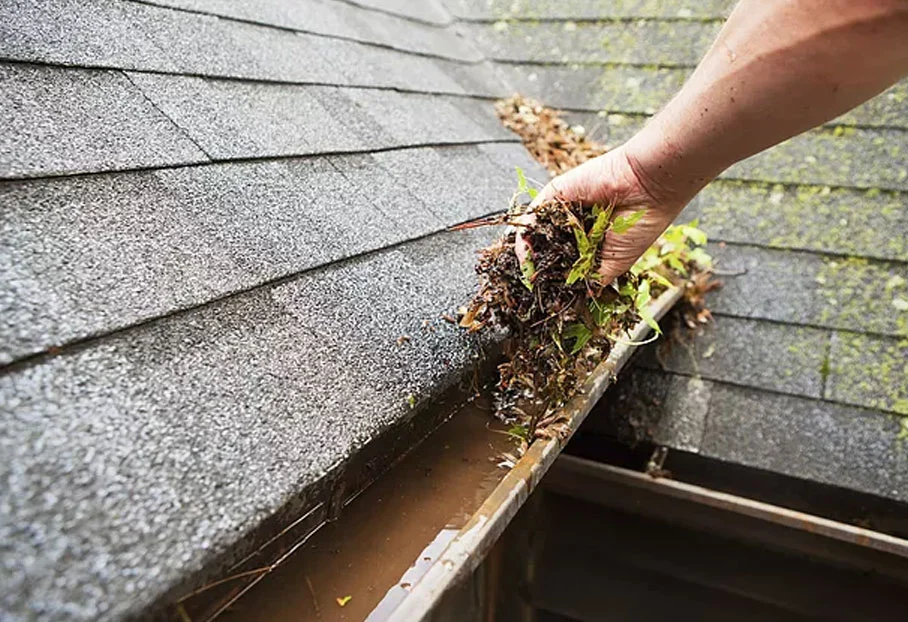
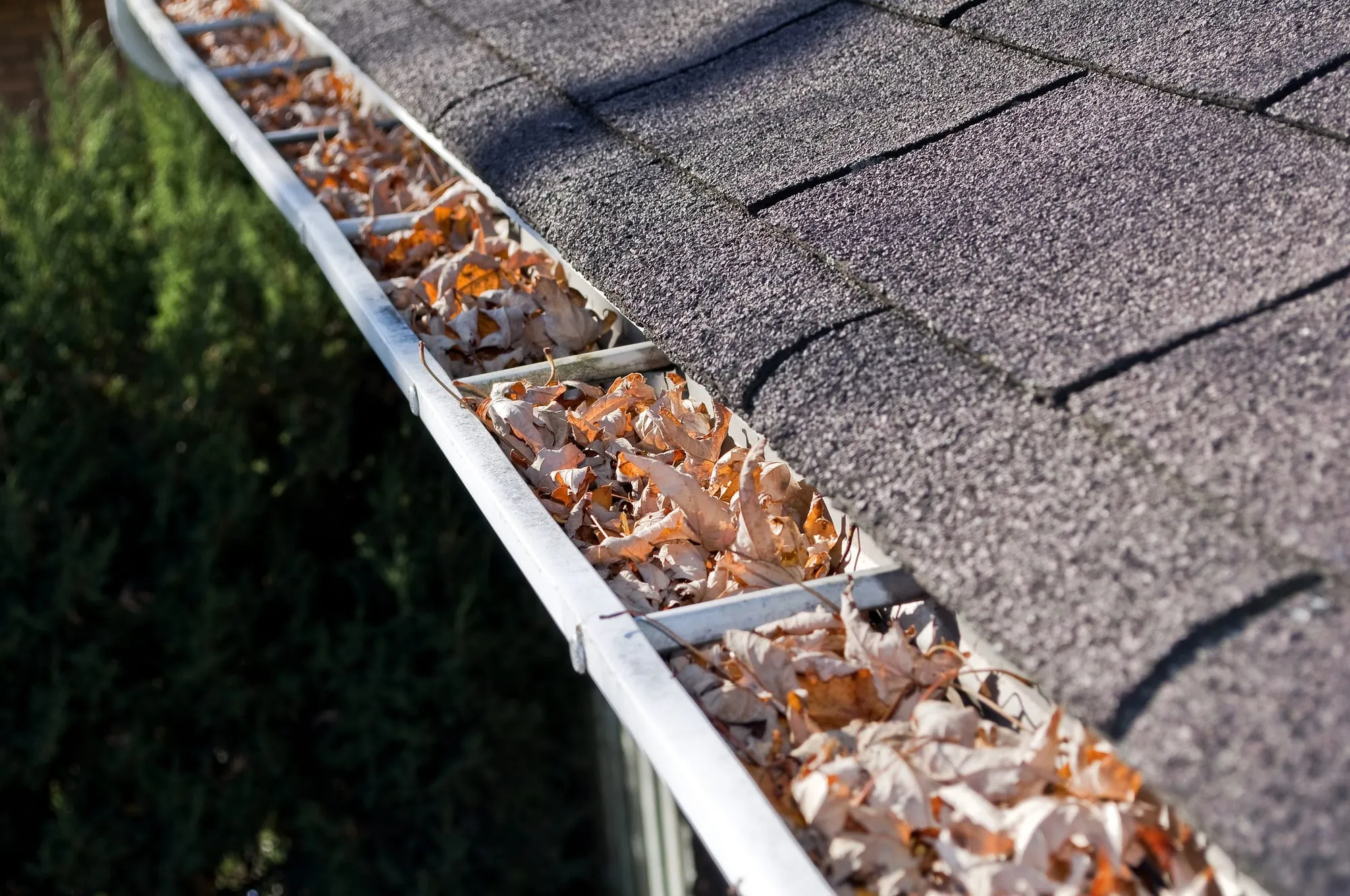
Poor drainage makes it worse. Clogged gutters overflow down the wall, and soil or mulch piled against the foundation keeps the lower siding damp. Dense shrubs block airflow and sunlight. Fixing these conditions matters as much as cleaning, because the same moisture that grew the algae will grow it again.
Algae, Mold, and Mildew: How to Tell Them Apart
Algae usually look green and slimy or powdery, and they spread in patches or streaks. Mildew appears gray or white and powdery. Mold tends to be black, brown, or dark green with a fuzzy texture. Mixed growth is common, so a wall can show more than one type at once.
A simple test helps separate growth from plain dirt. Spray a small hidden spot with diluted cleaner. If the stain lightens within a few minutes, it is biological growth. If it stays, you are likely dealing with dirt or oxidation. Either way, a gentle wash is the safest starting point for any siding material.
Why Green Algae on Vinyl Siding Is More Than a Cosmetic Issue
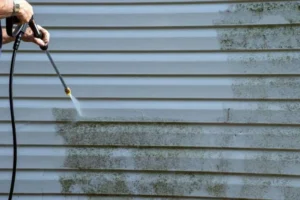
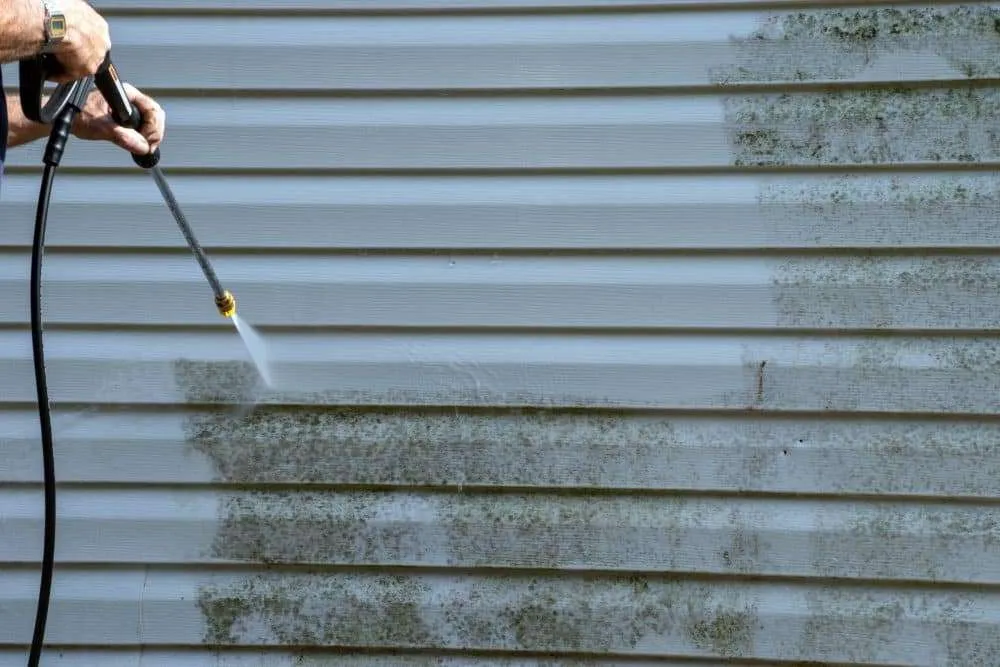
Vinyl is a popular siding choice in the Carolinas, and it shows algae clearly because of its smooth, light-colored surface. The growth itself does not eat through vinyl, but it traps moisture and dirt. Over time the stains can set into the finish, and the wall looks older than it is.
Wood, fiber cement, and composite siding react differently. Wood can soften and rot where algae keep it wet, and porous fiber cement holds stains deeper. Damp siding also draws insects and can lead to moisture problems behind the boards. Cleaning early protects the material and keeps small stains from becoming repairs.
How to Remove Algae From House Siding Step by Step
Start by rinsing the wall with a garden hose to loosen dust and pollen. Wear gloves and eye protection. Cover nearby plants with plastic and wet them first. Mix a gentle cleaner, such as oxygen bleach or a siding-safe solution, following the label. Test a small hidden area before you treat the whole wall.
Here is how to clean green algae off siding without harm. Work from the bottom up so the cleaner does not streak, and apply it in small sections. Let it sit for ten to fifteen minutes without drying. Scrub gently with a soft-bristle brush on a long pole, following the panel lines.
Rinse from the top down with plenty of clean water, keeping the hose angled downward so water does not get behind the panels. This is the best way to clean algae off vinyl siding at home. Repeat on stubborn patches, and let the wall dry fully before judging the result.
Cleaning Mistakes That Damage Siding
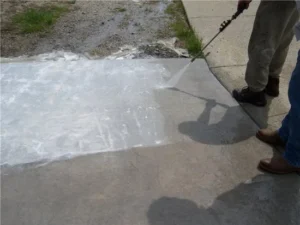
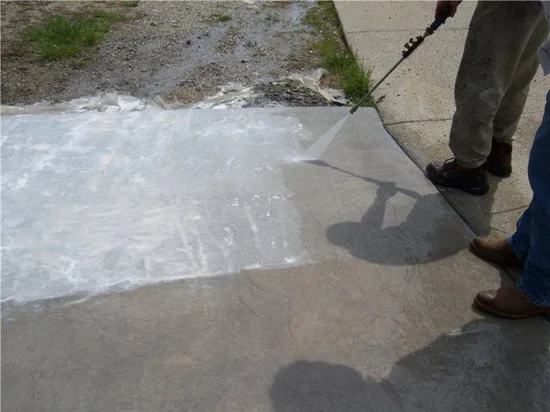
High pressure is the most common mistake. A strong stream can crack vinyl, drive water behind the panels, and strip paint from wood. It also removes surface growth without killing it, so algae return quickly. Pressure washing suits concrete, but siding needs the gentler method. That is why Carolina Shine Exteriors relies on soft washing for most house exteriors.
Skip undiluted bleach and harsh acids. They can discolor siding, kill landscaping, and corrode metal fixtures and gutters. Avoid cleaning in direct sun, which dries the solution too fast and leaves streaks. Stay off ladders while spraying, since the spray force can throw you off balance. If the wall is high or the growth is heavy, hire a professional.
How to Prevent Algae on House Siding Long Term
Prevention starts with moisture control. Trim trees and shrubs so sunlight and air reach the walls. Keep gutters clear and downspouts pointed away from the house. Adjust sprinklers so they do not spray the siding. Keep mulch and soil several inches below the siding edge. These small changes dry out the walls faster.
Regular washing is the other half of the plan. Most homes in our area do well with a gentle cleaning every one to two years, more often under heavy shade. Stopping green algae on house siding before it spreads keeps the finish bright and shortens each cleaning. Some owners also apply a siding-safe algaecide for lasting protection.
When Professional House Washing Makes Sense
Some jobs are better left to a trained crew. Two-story walls, heavy green algae on house siding, and growth near windows or electrical fixtures carry real risk for a DIY cleaning. Professional house washing uses low pressure and matched cleaners, so the wall gets treated without damage to panels, seals, or landscaping.
Algae removal from siding works best as part of a full exterior routine. Carolina Shine Exteriors often pairs siding care with roof cleaning, gutter cleaning, and window cleaning, since algae on the roof and clogged gutters feed the same moisture problem down the wall. One visit can address the cause and the stain together.
Ready to Clear the Green Off Your Fayetteville Home?
If green algae on house siding keeps coming back, or the wall is too tall to clean safely, let Carolina Shine Exteriors handle it. We serve homeowners across Fayetteville, NC and the surrounding area, and we match the method to your siding, whether that means soft washing for vinyl or targeted treatment for wood and fiber cement.
Our crew can handle house washing, roof cleaning, and gutter cleaning to stop the moisture that feeds algae, then finish with window cleaning so the whole exterior looks even. Pressure washing is also available for driveways and walkways. You get a cleaner home and a plan to keep algae from returning.
Call us at +1 (910) 994-6404 to schedule your visit. Tell us where the green is showing, and we will recommend the right approach before any work begins. A quick call is all it takes to start bringing your siding back to its clean, original color.