Pressure washing can make a tired looking home feel new again. But not every surface on your property is built to handle that kind of force, and pressure washing the wrong material can leave you with cracked shingles, chipped paint, or a repair bill you didn’t plan for.
Homeowners often assume that if a machine is powerful, it’s safe to use anywhere outside. That assumption causes more damage than the dirt ever did. Knowing where high pressure helps and where it hurts is the difference between a clean exterior and a costly mistake.
This guide walks through the surfaces around your home that should be left alone during house pressure washing, and why professionals treat them differently.
Why Pressure Matters More Than People Think
A standard consumer pressure washer can produce enough force to strip paint, gouge wood, and force water behind seals that were never meant to get wet. That same force is useful on concrete but destructive on anything softer or already worn down.
Age also plays a role here. A surface that could handle pressure washing ten years ago may not hold up the same way today. Weathering, sun exposure, and small cracks all lower a material’s tolerance for high-pressure water.
Asphalt Shingle Roofs
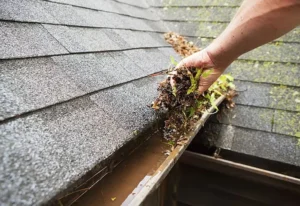
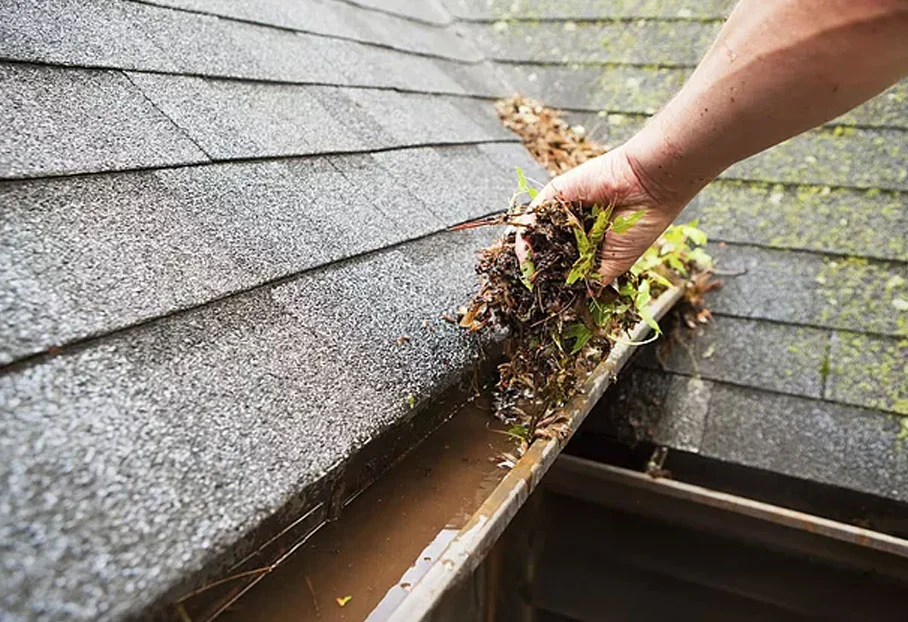
Roofs are one of the most common surfaces homeowners try to clean themselves, and one of the easiest to damage. Asphalt shingles are coated with small granules that protect against UV rays and moisture, and a direct blast can strip those granules right off.
Once the granules are gone, the shingle underneath breaks down faster, shortening the life of your entire roof. Water can also get forced upward under the shingles, creating leaks that don’t show up until months later. Soft washing with low pressure and the right cleaning solution is the safer route for roof maintenance.
Older or Soft Brick
Brick looks tough, but not all brick is created equal. Older homes often have softer, more porous brick and weaker mortar joints that were never designed to withstand modern pressure washing equipment.
High pressure can erode mortar between the bricks, leaving gaps that let moisture into the wall structure. Over time, that moisture leads to cracking, spalling, and interior damage that costs far more to fix than the original cleaning would have saved.
Painted Wood Trim and Stucco
Painted surfaces are especially vulnerable during pressure washing. The water jet can peel paint away in strips, exposing bare wood or stucco underneath to moisture and rot.
Stucco is particularly sensitive because it’s a porous material. Water forced into stucco at high pressure can get trapped inside the wall cavity, leading to mold growth that isn’t visible from the outside. A gentler wash setting, or hand cleaning, protects both the finish and the material underneath.
Windows and Window Seals
Glass itself can sometimes tolerate a light rinse, but the seals and caulking around windows usually can’t. Pressure washing near windows can force water past the seal and into the wall cavity, creating hidden moisture problems that surface as mold or warped framing later.
Older windows with worn caulking are especially at risk. Even a short burst of high-pressure water in the wrong spot can crack a pane or push a screen out of its frame.
Outdoor Electrical Fixtures and Wiring
This one is about safety as much as it is about damage. Outdoor light fixtures, electrical outlets, and exposed wiring should never be sprayed directly with a pressure washer.
Water forced into an electrical component can cause a short circuit or create a shock hazard the next time someone touches the fixture. If a cleaning job involves an area near wiring or an electrical panel, that section should be avoided entirely or handled with extreme caution.
Air Conditioning Units
The thin metal fins on an AC unit’s condenser coil bend easily under high pressure. Bent fins reduce airflow, which makes the unit work harder and can shorten its lifespan.
Dirt and debris on a condenser are usually better handled with a gentle rinse from a garden hose or a soft brush. If a unit needs a deeper clean, a technician familiar with HVAC equipment is the safer choice over a standard pressure washer.
Delicate Landscaping and Mulch Beds
It’s easy to forget about the plants and mulch sitting right next to the surface being cleaned. A stray blast of high-pressure water can strip mulch out of a bed, snap small plant stems, or wash away topsoil around root systems.
Covering nearby landscaping or keeping the nozzle angled away from garden beds prevents this kind of accidental damage. It’s a small step that saves a lot of cleanup afterward.
What Surfaces Actually Handle Pressure Washing Well
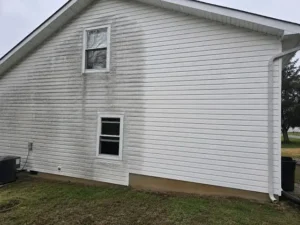
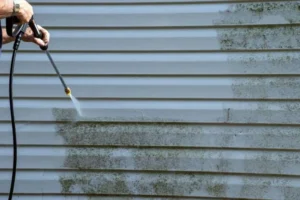
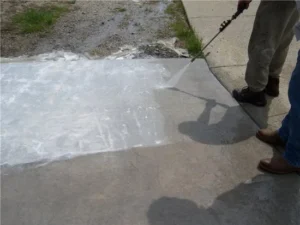
Not everything on this list applies to your whole property. Concrete driveways, sidewalks, sealed brick, vinyl siding in good condition, and most composite decking can typically handle a properly calibrated pressure wash without issue.
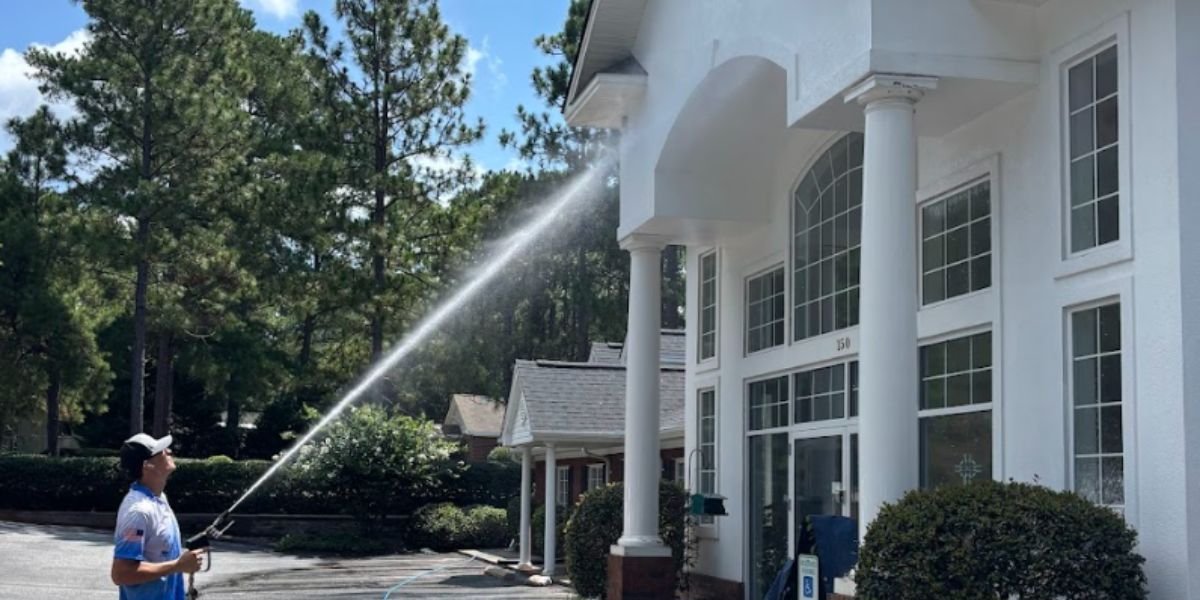
The key word is properly calibrated. Pressure, nozzle type, and distance from the surface all need to match the material being cleaned. This is where experience matters, since the same machine can either restore a surface or damage it depending on how it’s used.
Get Your Home Cleaned the Right Way
Every home has a mix of surfaces that need different care, and guessing wrong can turn a simple cleaning project into an expensive repair. Carolina Shine Exteriors has spent years learning exactly how much pressure each surface on a home in Aberdeen, NC can safely handle, from siding and driveways to trim and walkways.
Our team shows up licensed and insured, with upfront pricing before any work begins, so you know what to expect from the start. We offer same-day service for homeowners who need their property looking its best without a long wait, and we work on all major brands of siding, roofing, and exterior materials without cutting corners.
If you’re unsure whether your roof, brick, or trim can safely handle a pressure wash, don’t risk it on your own. Call Carolina Shine Exteriors at +1(910) 994-6404 to schedule a house pressure washing service built around what your home actually needs, not a one-size-fits-all approach. Your exterior deserves a team that knows the difference.