Gray, blotchy concrete can make a well-kept home look neglected. Dark streaks across the driveway, green patches along the walkway, and a patio that never looks clean are common complaints. The good news is that most of this damage sits on the surface, and pressure washing old concrete often reverses it.
This post explains why aging concrete looks worn, how a pressure washer removes buildup, and which problems it can and cannot fix. You will also see how to protect the slab after cleaning so the fresh look lasts longer, and when a different repair makes more sense.
Why Old Concrete Turns Dark, Stained, and Patchy
Concrete is porous, so rain, dirt, tire residue, and organic debris settle into tiny openings and stay there. Over the years, that layer builds up and darkens the surface. What looks like permanent aging is usually trapped grime sitting on top of sound concrete. Sweeping and hosing cannot reach it.
In Fayetteville, warm and humid weather speeds this up. Shaded areas stay damp, which invites algae and mold and mildew on concrete. Leaves and pollen leave brown tannin stains, while cars drip oil onto the driveway. Each source leaves a different mark, and each one affects how the slab should be cleaned.
How a Pressure Washer Lifts Dirt From Concrete
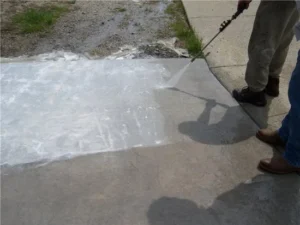
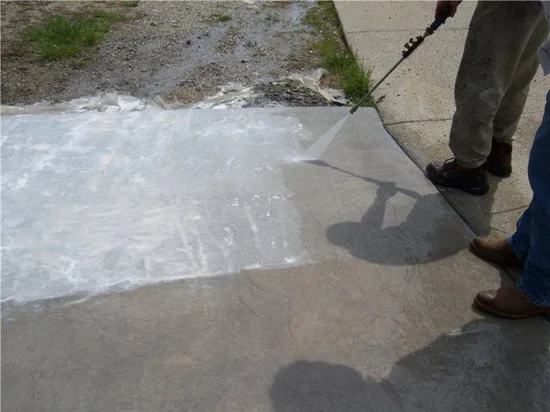
A pressure washer forces water through a narrow nozzle at high speed. That force breaks the bond between grime and the concrete, then flushes the loosened material away. Pressure is measured in PSI, and the right setting depends on the age of the slab and the type of buildup.
Professionals often pair the wand with a rotating surface cleaner. This attachment spreads the spray evenly and prevents the striped lines that uneven passes leave behind. It also covers large driveways and patios faster, with a more uniform finish than a handheld nozzle can produce on its own.
What Pressure Washing Can Actually Fix
Pressure washing old concrete removes most surface problems very well. Dirt, algae, mildew, tire marks, leaf stains, and general grime wash away, and the original light color usually returns. Many homeowners are surprised by how new a driveway looks once the gray film is gone.
Oil and rust stains can also respond, especially when a degreaser or rust-specific cleaner is applied first. Water pressure alone rarely lifts them. The pre-treatment breaks the stain down so the rinse can pull it out of the pores. Stains that have soaked in for years may fade without disappearing completely.
Where Pressure Washing Reaches Its Limits
Cleaning cannot repair structural damage. Cracks, spalling, crumbling edges, and sunken slabs need patching or replacement. Washing a damaged surface can even make flaking worse if the pressure is too high. Knowing the difference between dirty and damaged helps you set realistic expectations before any work begins.
Efflorescence, the white powdery residue caused by salts moving through the slab, may need a mild acid treatment. Deep discoloration from old chemical spills can also linger. Pressure washing old concrete works best when the slab is structurally sound, and a quick inspection will tell you whether a wash alone can deliver the look you want.
Why Technique Matters More Than Raw Pressure
More pressure does not mean better results. Too much force etches the surface, exposes the stone aggregate, and leaves permanent wand marks. Older concrete often has a thinner top layer, so control matters. Safe pressure washing old concrete depends on the right distance, nozzle angle, and steady, overlapping movement.
Detergents do part of the work. Cleaners with sodium hypochlorite kill algae and mildew at the root, which slows regrowth. Applying the solution before rinsing lets it soak in and reduces the pressure needed. Nearby plants and landscaping should be rinsed and protected throughout the process.
DIY Washing Versus Professional Equipment
Consumer and rental machines can handle light dirt, but they often lack the water flow and attachments needed for big areas. Inconsistent passes leave lines, and the wrong tip can damage a slab in seconds. If you try it yourself, test a hidden corner first.
Professional equipment delivers higher water flow, which rinses grime away faster and more evenly. Trained technicians also recognize stain types and match the cleaner to the problem. For driveway pressure washing, garage floors, and large patios, that experience shows in the final finish and in how long the results hold up.
How to Keep Cleaned Concrete Looking Fresh
Sealing is the best step after cleaning. A quality concrete sealer blocks moisture and stains from entering the pores, so spills wipe up instead of soaking in. Most sealers need a fully dry slab, so application usually happens a day or two after washing. Sealing also slows UV fading.
Routine habits help too. Sweep leaves quickly, clean oil drips the same day, and trim plants that keep the area shaded. Most homes in North Carolina benefit from a fresh wash every one to two years, depending on shade and traffic. Regular care keeps buildup shallow and easy to remove.
Is Pressure Washing the Right Fix for Your Concrete?
For most homeowners with dull, stained concrete, yes. If the slab is solid, pressure washing old concrete restores color, removes slippery growth, and lifts curb appeal in a single visit. If cracks or deep damage are present, cleaning still helps you see which repairs are truly needed.
Bring Your Driveway Back With Carolina Shine Exteriors
If your concrete looks older than it should, a professional wash may be all it needs. Carolina Shine Exteriors helps homeowners across Fayetteville, NC remove years of buildup from driveways, sidewalks, patios, and garage floors, using methods matched to the condition of each slab.
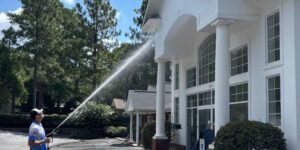
Our team handles concrete cleaning, driveway cleaning, patio and walkway cleaning, house washing, and sealing recommendations, so your whole exterior can look consistent and cared for. We inspect the surface first, explain what can be improved, and tell you honestly if a repair is needed instead.
Ready to see what your concrete looks like underneath the grime? Call Carolina Shine Exteriors at +1(910)994-6404 to schedule a visit, and we will walk you through the best next step for your home.