You paid for a clean exterior, and within a few months the green film and gray streaks are back. Carolina Shine Exteriors hears this complaint from Fayetteville homeowners all the time. Understanding why house siding gets dirty quickly helps you stop wasting effort on cleaning that fades fast, and it starts with what is really happening on your walls.
This post covers the real causes, the reasons algae and mildew return, and how long a wash should last. You will also get practical habits that keep vinyl, fiber cement, and wood siding cleaner for longer. Most of it comes down to moisture, shade, and what was left behind after the last wash.
What Are the Main Causes of Dirty House Siding?
The causes of dirty house siding usually fall into three groups: biological growth, airborne debris, and water. Algae, mold, and mildew feed on moisture and organic dust. Pollen, road grime, and soil splash add the visible layer. Rain and sprinklers then spread it all across the wall, which is why one stain quickly becomes many.
Humidity and Shade Keep Siding Damp
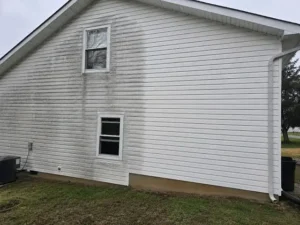
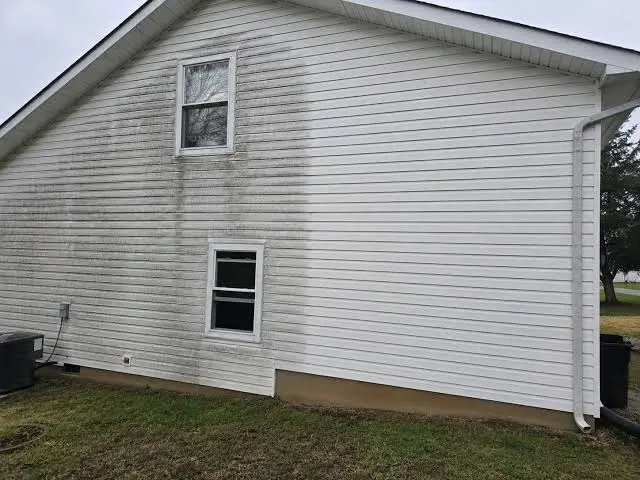
Fayetteville has long, humid summers and frequent rain. Siding on the north side or under tree cover stays damp for hours after the sun moves on. Damp surfaces give algae spores the water they need to settle and multiply. That explains why one wall often looks far worse than the rest of the house.
Pollen, Dust, and Grime Stick to Siding
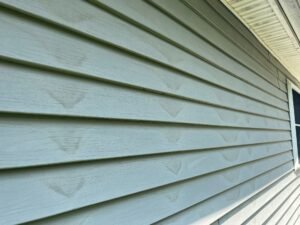
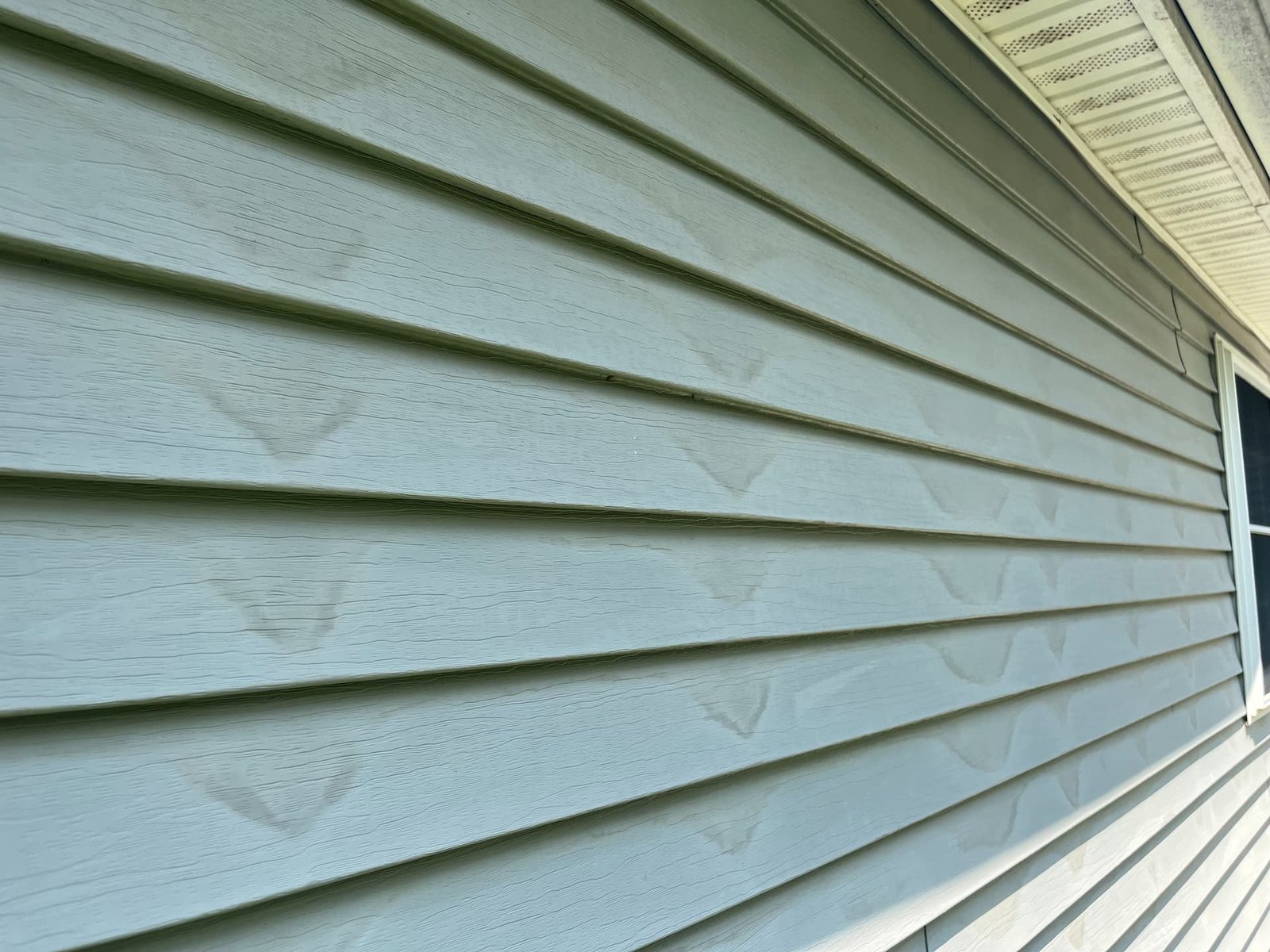
Spring pollen coats every exterior surface in North Carolina, and it holds moisture against the siding. Dust from roads and dirt from rain splash near the foundation add more. Textured siding, such as wood grain vinyl, traps these particles in tiny grooves, so the surface looks dull even when you rinse it.
Siding Material Changes How Dirt Shows
Material also matters. Vinyl can build up static and hold fine dust, fiber cement is porous and absorbs moisture, and wood grows mildew fast when paint or sealant wears thin. Dark colors show dust and chalking sooner, while light colors show algae streaks more. One yard can leave very different marks on each wall.
Why Does House Siding Get Dirty So Fast Near Trees and Gutters?
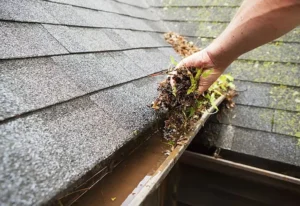
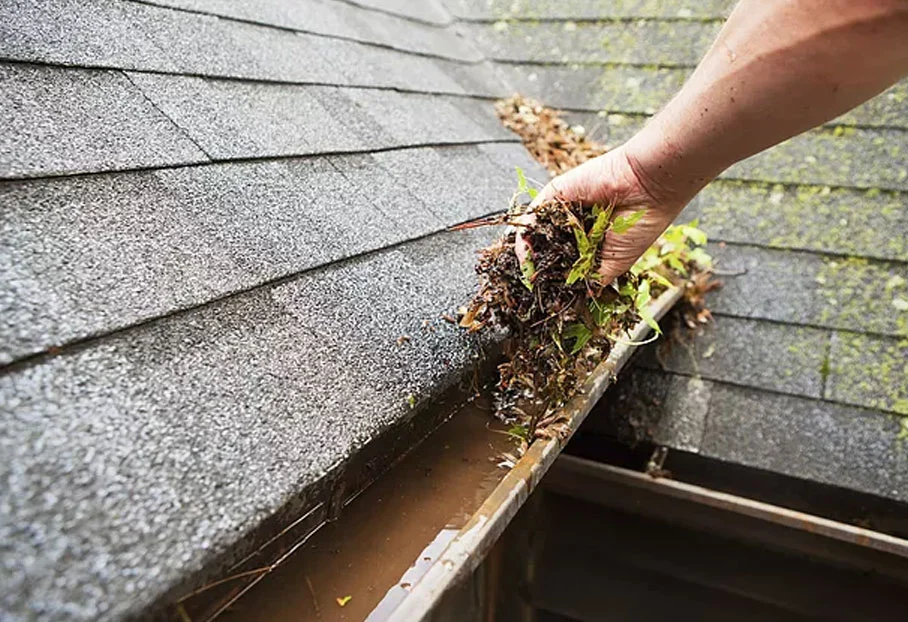
Overhanging branches drop leaves, sap, and bird droppings, and they block sunlight that would dry the wall. Gutters that overflow send dirty water down the siding in dark streaks. Sprinklers that spray the wall add minerals and constant moisture. Each of these shortens the clean period, even on a freshly washed home.
Oxidation plays a role too. Sun and weather slowly break down the outer layer of older vinyl and painted siding, leaving a chalky film. That rough surface holds dirt better than smooth, healthy siding. If your wall leaves white powder on your hand, aging is part of why house siding gets dirty quickly.
Why Green Algae Keeps Coming Back on Siding
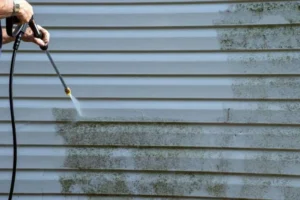
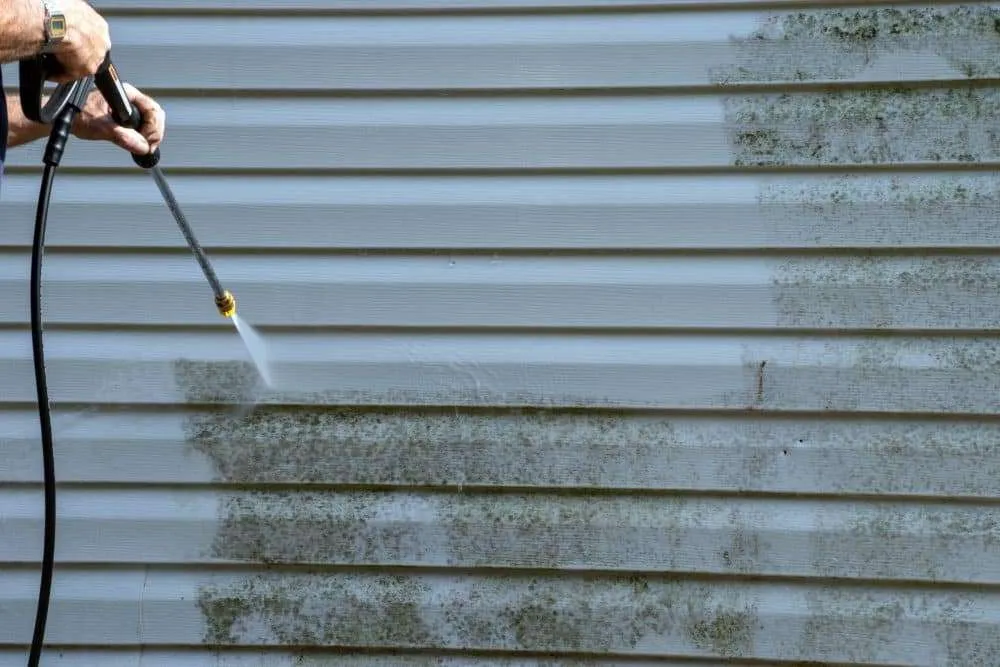
Green algae keeps coming back because the first wash often removes only the visible layer. Algae spreads through microscopic spores that settle in pores and seams. If those spores survive, they regrow as soon as moisture and warmth return. Regrowth within a single season is the clear sign of this.
Black streaks are a common example. They are often a cyanobacteria called Gloeocapsa magma, which spreads from rooflines and down walls. Many homeowners mistake it for dirt and scrub it without killing it. Without treatment at the root, the colony rebuilds quickly, and the stain can look darker than it did before.
Why Siding Gets Dirty After Cleaning
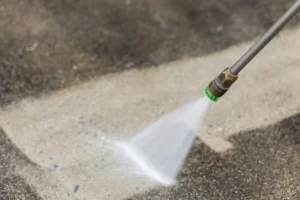
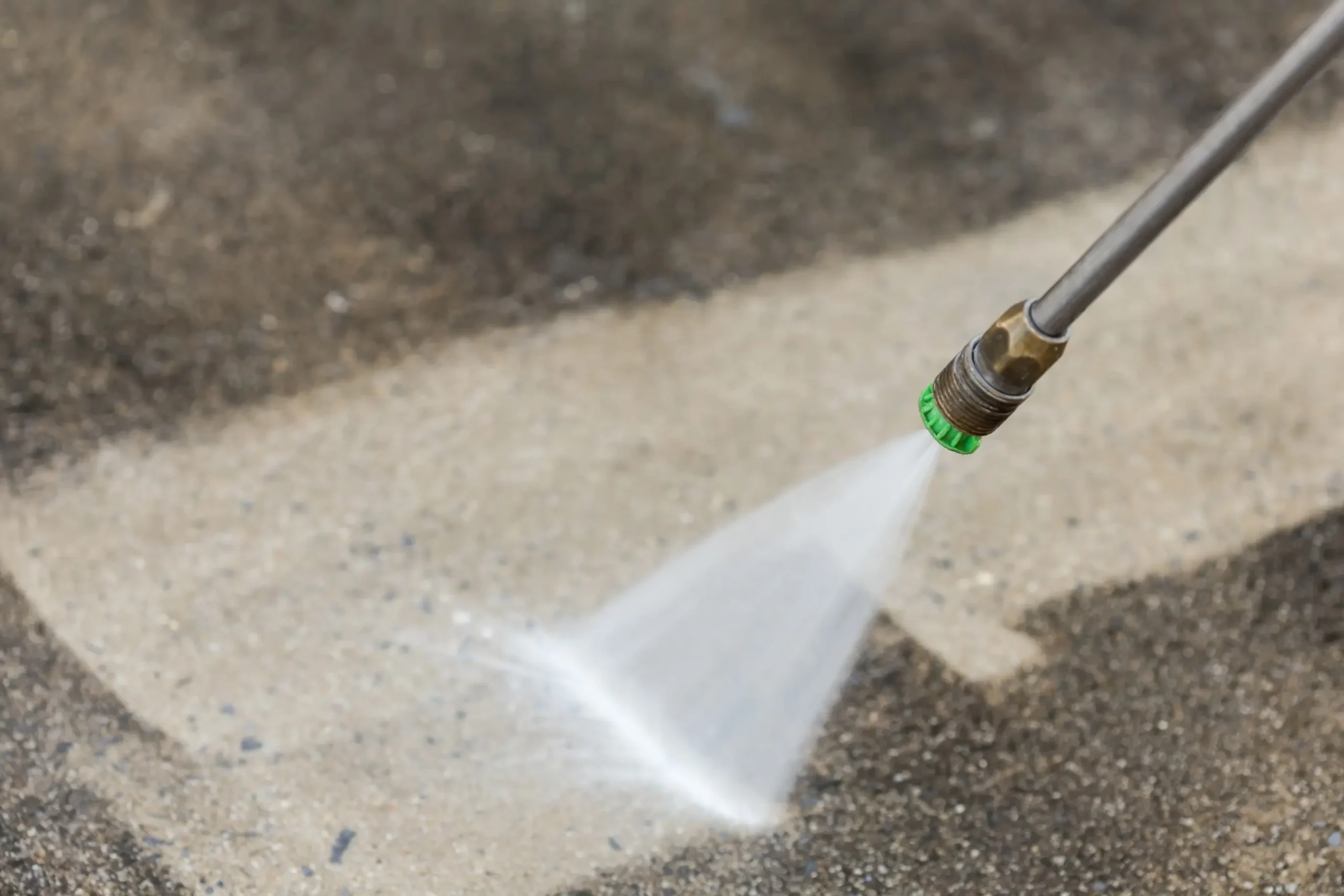
The answer usually traces back to the cleaning method used. High pressure can blast off visible surface dirt but force water behind panels and leave algae roots intact. It can also scar softer siding, and rough scars collect grime faster. A gentler, targeted approach protects the material and treats the cause.
Soft washing, the method Carolina Shine Exteriors uses on siding, applies low pressure and a cleaning solution that kills growth at the source. Skipped steps cause fast returns, such as a weak solution, short dwell time, or poor rinsing. Leftover residue can also attract new dust. A proper wash treats, dwells, and rinses, and each stage matters for lasting results.
How Long Does House Washing Last?
A well done wash in North Carolina typically stays fresh for one to three years. Shaded, damp homes may show growth within six months, while sunny, dry exposures hold up longer. Siding material, tree cover, and local humidity all shift that timeline, so your neighbor’s results may differ noticeably from yours.
Cleaning too often is not the answer either. Repeated washing wears on paint, caulk, and softer materials. A better plan is a scheduled wash every one to two years, plus small habits between visits. Checking north walls and corners each spring catches early green spots while they are still easy to treat.
How to Keep House Siding Clean Between Washes
The simplest habit is controlling water. Aim sprinklers away from walls, schedule gutter cleaning twice a year, and fix leaking downspouts. Space shrubs so air can move along the wall. A dry wall gives algae little to work with. This single step is the core of how to keep house siding clean for the long run.
A light rinse with a garden hose each spring removes loose pollen before it bonds to the surface. Use a soft-bristle brush on stubborn spots, and spray downward so water does not get behind the panels. Work in small sections from the top down.
How to Prevent Dirt Buildup on Siding
Trim branches so sunlight reaches the wall, and keep mulch a few inches below the siding line. Rain splash carries soil upward, another reason why house siding gets dirty quickly near the ground, so add gravel along the foundation. A soft brush and mild soap on small smudges stops grime from bonding to the surface.
How to Prevent Mildew From Growing on Siding
Mildew needs moisture, shade, and organic material. Remove any one and growth slows. Wipe up trapped debris on window ledges and trim, improve airflow, and treat small spots early with a mild cleaner made for exterior surfaces. Avoid bleach near plants, and always rinse thoroughly with a garden hose. Start in early spring, before warm weather speeds growth.
When Professional Siding Care Makes Sense
Some stains need more than a hose and a brush. Heavy algae, rust runoff, and black streaks on two-story walls call for the right equipment and safe access. Carolina Shine Exteriors treats the growth source instead of just rinsing the surface, so the stains do not return within a few months.
Knowing why house siding gets dirty quickly on your home also helps you judge a provider’s advice. Ask what they apply, how long it dwells, and how they protect plants and windows. A good answer shows they treat siding as a surface to care for, not just rinse. Ask for care tips for your siding type too.
Keep Your Fayetteville Siding Cleaner for Longer
If your siding looks dirty again a few months after washing, the cause is likely still on the wall. We help homeowners in Fayetteville, NC, and nearby communities get ahead of algae, mildew, and pollen buildup. Early action keeps a small patch of algae from spreading across the wall. Our team starts with a close look at your siding, shade patterns, and drainage, then recommends the right approach.
Our soft washing and house washing treat growth at the source, so results last longer. If streaks start near the roofline, roof cleaning and gutter cleaning can stop the runoff that keeps staining your walls. We also provide siding cleaning for vinyl, fiber cement, and wood homes.
Call Carolina Shine Exteriors at +1 (910) 994-6404 to schedule a visit. Tell us what you are seeing, and we will help you plan a cleaner, longer-lasting exterior. We are also happy to answer questions about your siding type before you book.