Gray, blotchy concrete makes even a well-kept home look tired. Dark streaks, green patches, and old oil spots build up faster than most people expect. The good news is that pressure washing concrete removes most of that buildup. At Carolina Shine Exteriors, we see this daily across Fayetteville, and this post explains what results are realistic.
Not every stain lifts the same way, though. Algae and dirt wash away easily, while rust and deep oil need extra steps. Below, you will learn how stains form, what a proper cleaning involves, where the limits are, and how to keep your driveway, patio, and walkways looking fresh afterward.
Why Does Concrete Stain and Darken Over Time?
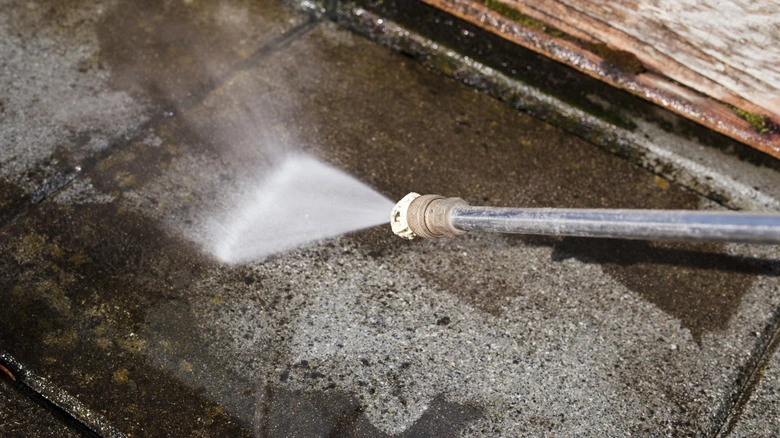
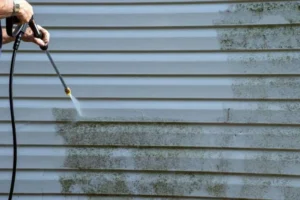
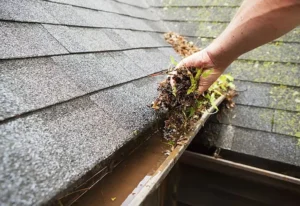
Concrete is porous, so it absorbs whatever sits on it. Rain, shade, and humidity feed algae and mildew, which leave green and black patches. Tire marks, leaked oil, and fallen leaves add darker spots. In North Carolina’s damp climate, shaded slabs often darken within a couple of seasons if nobody cleans them.
Common Stain Types on Driveways and Patios
Organic stains come from algae, moss, mildew, and leaf tannins. Oil and grease come from vehicles and grills. Rust comes from metal furniture, fertilizer, and well water sprinklers. Red clay leaves orange tones that cling to rough surfaces. Identifying the stain first matters, because each type responds to a different cleaning approach.
Can Pressure Washing Restore Old Concrete?
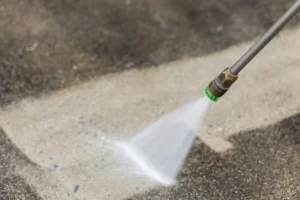
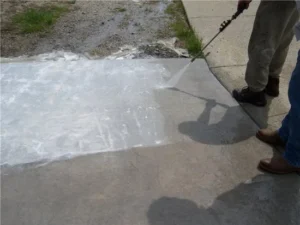
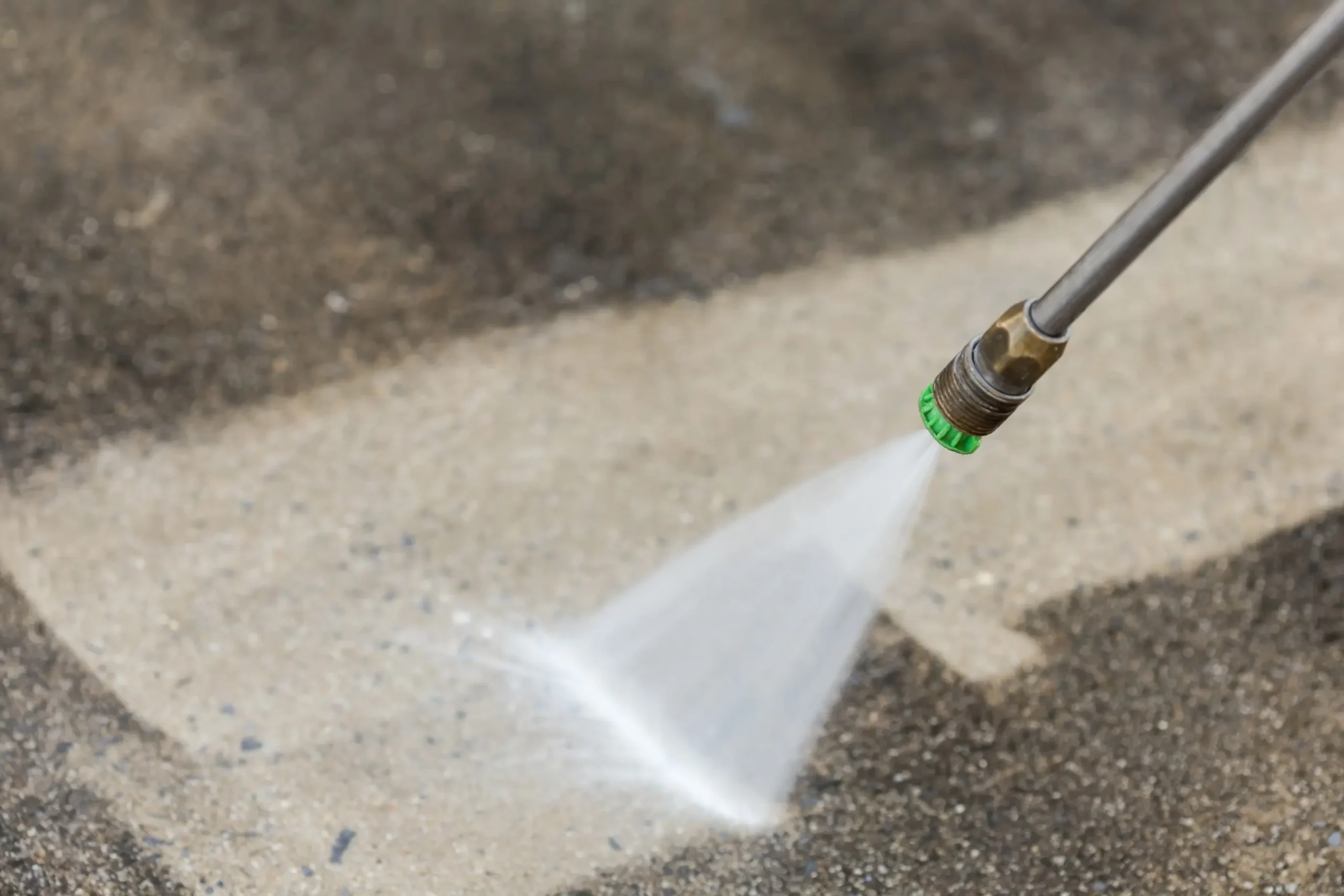
In most cases, yes. High-pressure water removes surface dirt, algae, and loose residue that make concrete look old. Many slabs return to a much lighter, more even tone after one proper session. Pressure washing concrete restores appearance, but it cannot repair cracks, spalling, or stains that have soaked deep into the material.
If you are wondering how to restore old concrete, start with realistic goals. Restoration means removing buildup and bringing back the original color. It does not mean erasing every mark. Older slabs with years of embedded grime may need a second pass or a targeted treatment to reach an even finish.
How Professional Concrete Cleaning Works
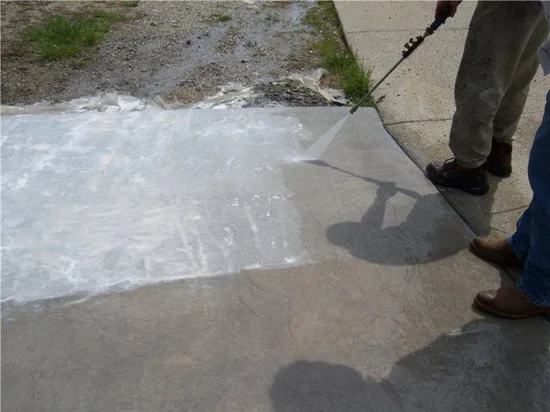
Professional concrete cleaning follows a set order. The crew clears the area and pre-wets nearby plants. A cleaning solution then loosens stains, and a surface cleaner removes buildup in even passes. Carolina Shine Exteriors finishes with a full rinse and a final walk-through, so no residue dries back into the surface.
Pressure matters as much as technique. Pressure washing concrete usually calls for a surface cleaner rather than a bare wand, because it keeps the nozzle at a steady distance. This prevents the streaky lines and etched patterns that appear when a wand is held too close or moved unevenly across the slab.
Why Hot Water and the Right Cleaner Matter
Cold water alone struggles with grease. A degreaser or hot water helps break oil down before rinsing. For algae and mildew, a mild cleaning solution kills growth at the root, so it does not return in a few weeks. The right product depends on the stain, not on a one-size-fits-all mix.
What Stains Can Pressure Washing Remove?
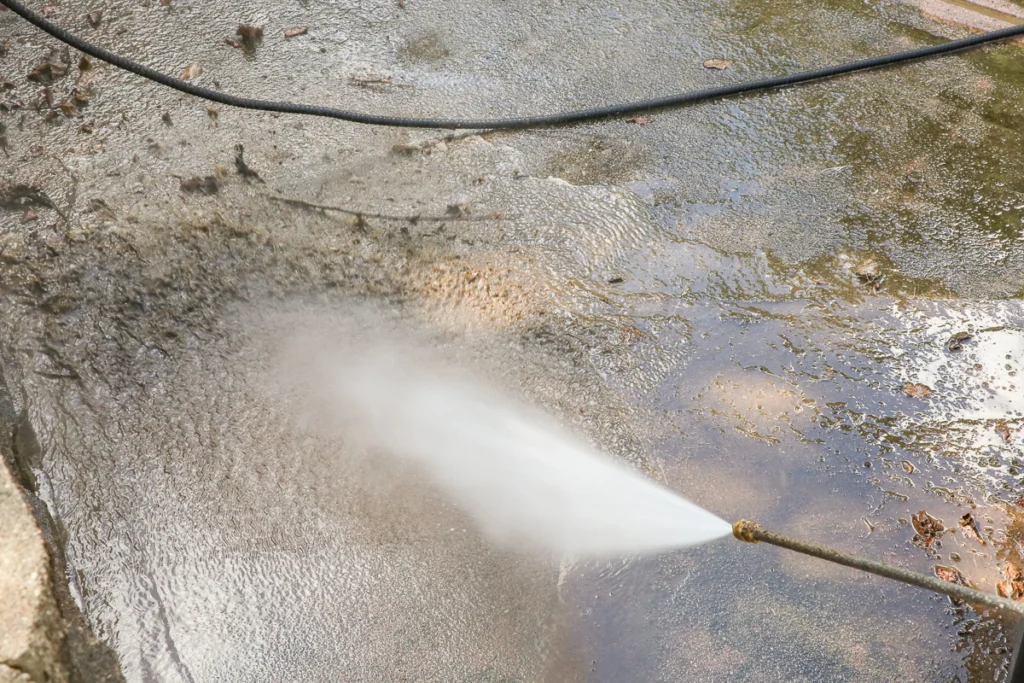
Concrete stain removal works best on fresh or surface-level marks. Dirt, algae, mildew, tire scuffs, and leaf stains usually lift in one session. Gum, paint drips, and light grease often come off too. The longer a stain sits, the deeper it travels, which is why regular cleaning keeps results easier to achieve.
Cleaning stained concrete gets harder with rust and old oil. Rust needs an acid-based rust remover, because water does little and bleach can make it worse. Deep oil may need a poultice to draw it out. Some marks fade without disappearing, and an honest contractor will tell you that before work begins.
How to Clean Concrete Driveway Surfaces Safely
Homeowners often ask how to clean concrete driveway surfaces without causing damage. Sweep away debris, wet the slab, and apply a cleaner suited to the stain. Let it dwell, then rinse from the top of the slope downward. Plan your pressure washing concrete driveway project for a dry, overcast day.
Learning how to clean concrete yourself is possible, but equipment matters. Many consumer machines lack power and a surface cleaner, which leads to uneven results. Wear eye protection, keep the wand moving, and test a small corner first. Keep pets and children away from wet, slippery surfaces during the job.
Risks of Pressure Washing Concrete Incorrectly
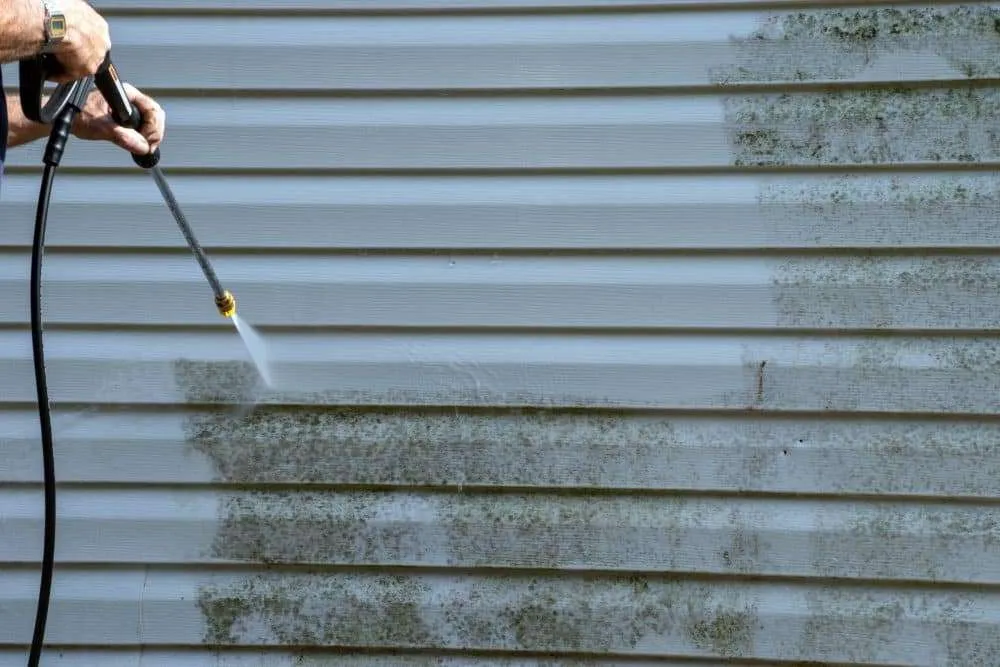
Too much pressure, a tight nozzle angle, or holding the tip too close can etch the surface. Etching exposes rough aggregate and leaves permanent lines. Concrete pressure washing also pushes water into joints and cracks, so weak or aging slabs need gentler settings. Skill and control matter more than raw power.
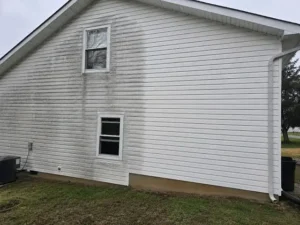
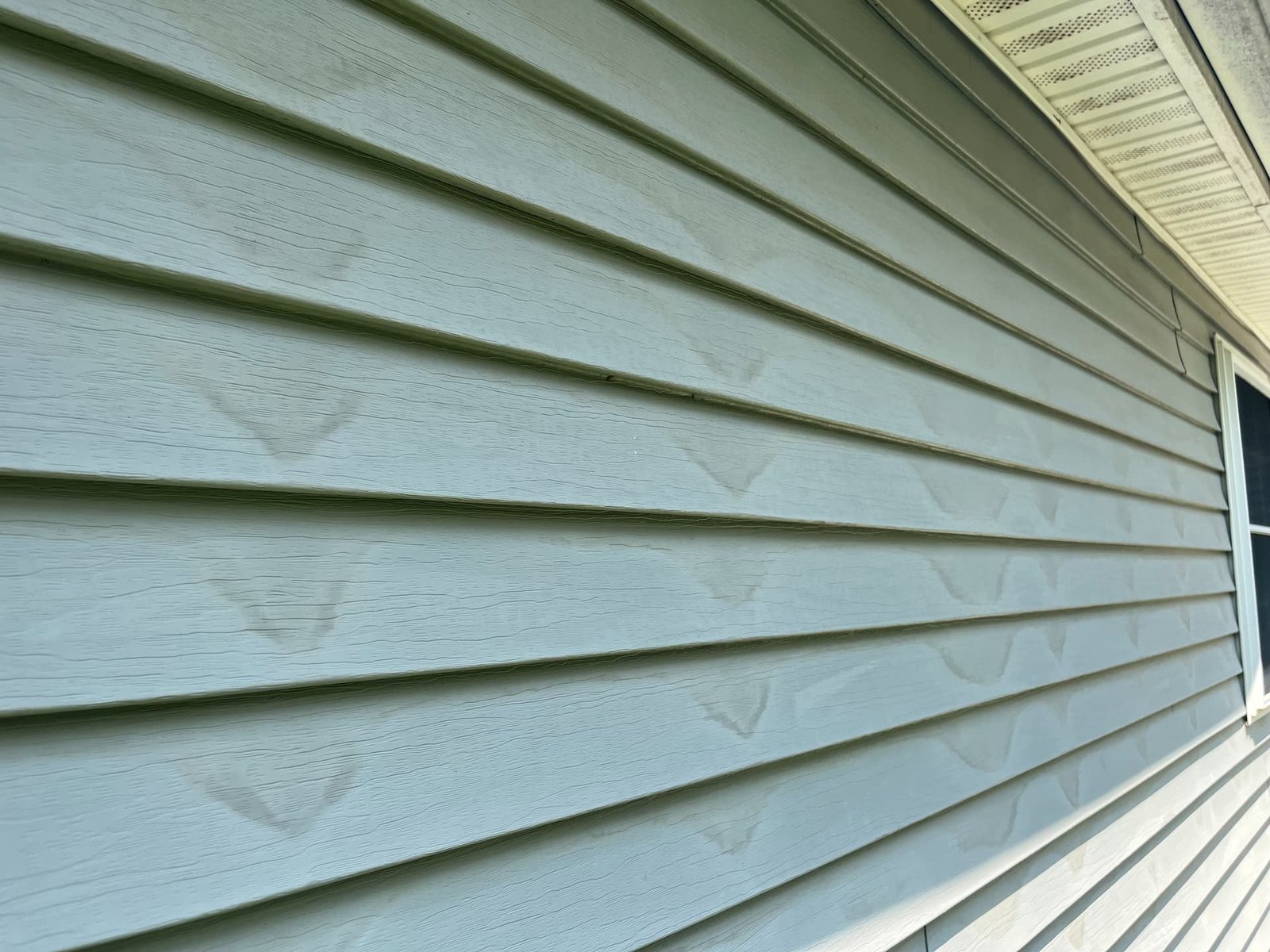
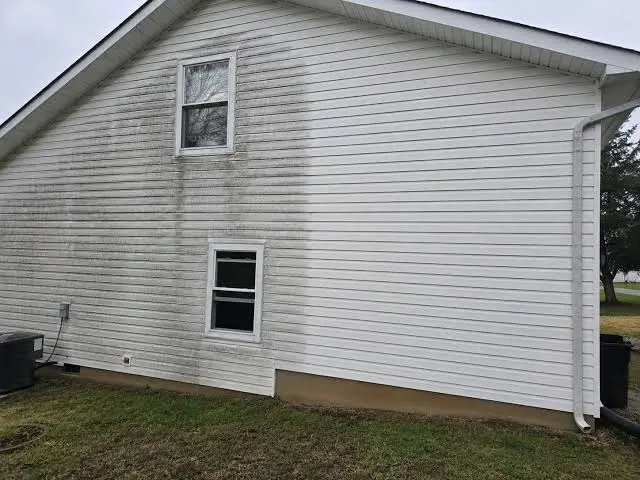
Surrounding areas need protection too. Carolina Shine Exteriors covers delicate plants, controls runoff, and keeps water away from doors and siding. Those details protect your property while the slab gets cleaned. If your home also needs exterior care, services like house washing and patio cleaning can often be scheduled together.
Should You Seal Concrete After Cleaning?
Sealing is the step many homeowners skip. Once concrete dries fully, usually after a day or two, a quality sealer blocks moisture, oil, and algae spores. Some sealers also deepen the color. Sealed slabs stay cleaner longer and are easier to rinse, which means less effort at each future cleaning.
How Often Should Homeowners Clean Concrete?
Most driveways and patios benefit from cleaning about once a year. Shaded, humid, or heavily used areas may need attention sooner. Sweeping weekly, rinsing spills quickly, and trimming overhanging branches slows buildup. Small habits like these keep concrete looking cleaner between professional visits and protect the surface from long-term staining.
When Is Concrete Too Damaged to Restore?
Cleaning cannot fix structural problems. Deep cracks, flaking surfaces, and sunken slabs need repair or resurfacing. If water pools in one area, the underlying slope may be the real cause of repeated algae and staining. A quick inspection before cleaning helps you plan the right next step and avoid wasted effort.
Ready to See What Your Concrete Can Look Like Again?
Most old concrete looks far better once the grime is gone. If your driveway, patio, or walkway looks dull and stained, a professional assessment can show what will lift and what needs another approach. Our crew cleans concrete for homeowners across Fayetteville, NC, with methods carefully matched to each stain.
Our team handles driveway cleaning, patio cleaning, sidewalk cleaning, and house washing, so your whole exterior can look consistent. We protect your landscaping, explain what to expect, and leave the surface clean and rinsed. You get straight answers, careful work, and results you can see from the street the same day.
Call Carolina Shine Exteriors at +1 (910) 994-6404 to schedule your concrete cleaning Service in Fayetteville, NC. Describe your stains, and we will tell you what is realistic before any work begins. Fresh, clean concrete is one of the quickest ways to lift your home’s curb appeal, and the difference shows right away.